
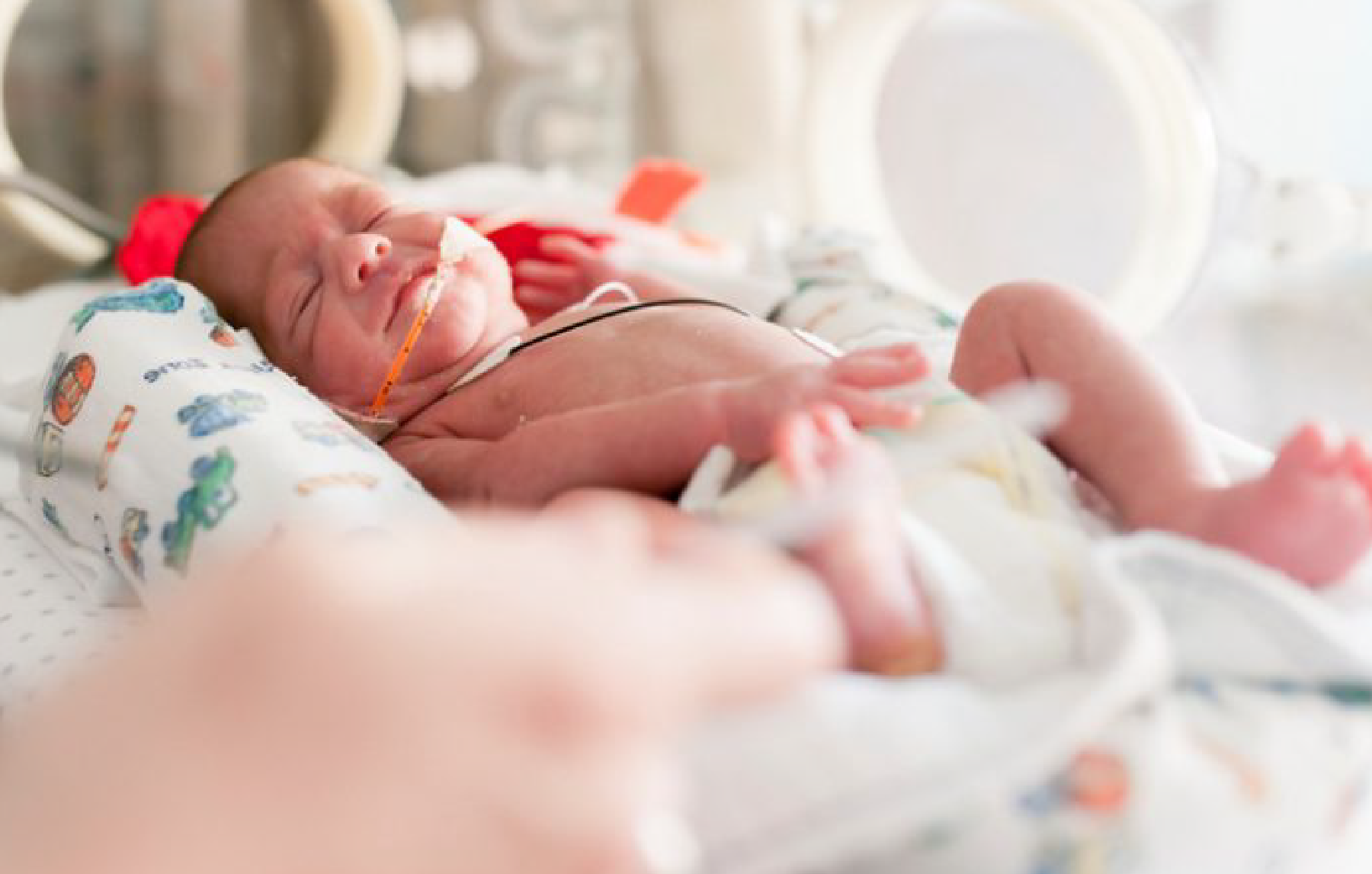
As a result of the natural process of pregnancy and birth being disrupted, the parents are confronted with an unexpected emotional crisis, while the infant must adjust to life outside the womb before final preparation for the event.
Factors for preterm
There are certain factors or reasons that may increase a woman’s chances of having preterm labor. Sometimes a woman may have premature labor for no apparent reason. The factors are:
- Spontaneous rupture of membrane.
- Cervical incompetency-weakness of the cervix.
- Uterine anomalies.
- Overdistended uterus caused by hydramnios or two or more fetuses.
- Anomalies of the products of conception.
- Faulty placentation-abruption placenta.
- Fetal death.
- Retained intrauterine device.
- Unknown causes.
Preterm Symptoms
The main symptoms of preterm are:
- Backache.
- Contraction, every 10 minutes or often.
- Cramping over the lower abdomen.
- Fluid leaking from your vagina.
- Increased vaginal discharge.
- Vaginal bleeding.
- Increased pressure in the pelvis or vagina.
Risk factors of preterm labor
Some of the risk factors of preterm labor are:
- Smoking.
- Not getting proper prenatal care.
- Being a parent with a baby that has certain birth defects.
- Being parent with twins or other multiples.
- Getting parent too after having a baby.
Responses to preterm labor
- Labor is active and cervical dilatation has progressed beyond 4cm.
- There is sever bleeding.
- Gross fetal anomaly or anomalies is/are present.
- The fetus is already dead.
- There is fetal distress present.
Prevention of preterm
- See your doctor: Getting early and regular prenatal care can help your doctor pinpoint and help you treat any risk factors.
- Prenatal vitamins should be taken on a regular basis to improve your general health.
- Eat healthily: A balanced pregnancy, which includes getting all of the nutrients from a healthy diet, resulting in a healthier baby who also comes on schedule.

How is preterm labor treated?
- Bed rest is an option that may be done at home or in the hospital.
- Tocolytic medicines: These help slow or stop contractions.
- Corticosteroids: These may help the lungs of your baby grow and mature.
- Cervical cerclage
- Antibiotics
- Delivery of the baby







![Effective Benefits Of Besan[Gram] Powder For Skin: Natural Face Pack For All Skin Type](https://medicalfitbit.com/wp-content/uploads/2021/12/besannnn-120x86.jpg)





Comments 3