
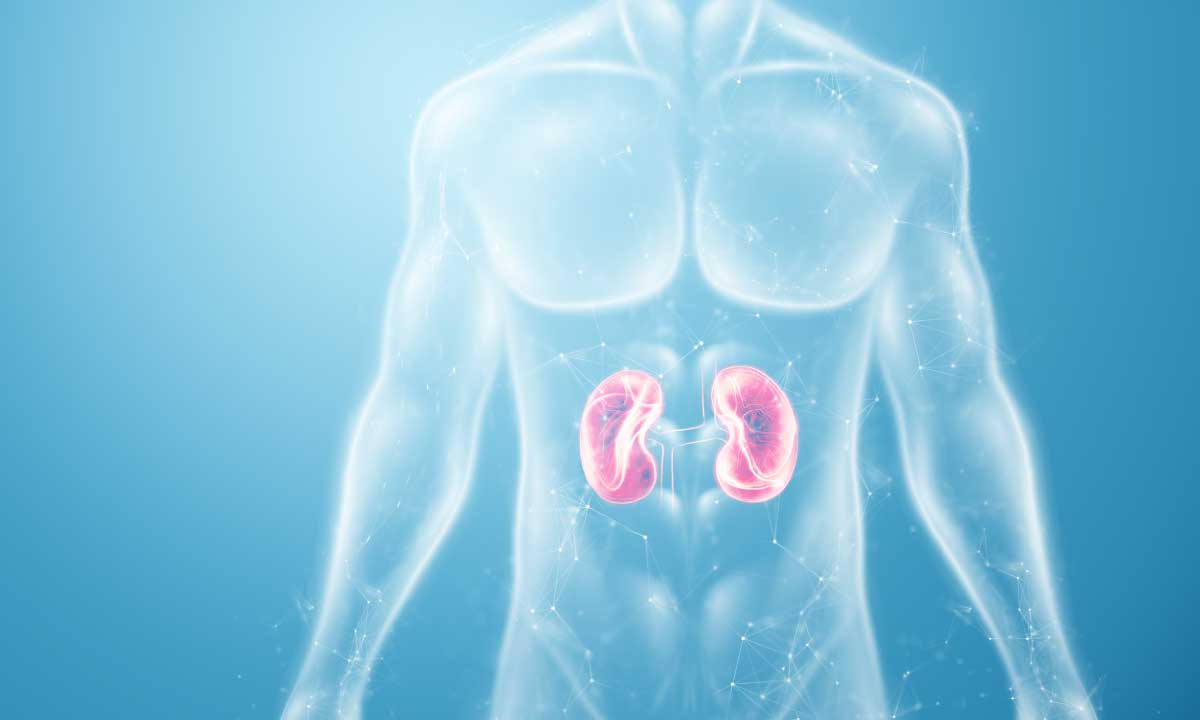
What do you mean by kidney Transplantation?
Kidney transplantation is a procedure that replaces your damaged kidney with a healthy one. You no longer require dialysis since the transplanted kidney takes up the work of the two failing kidneys.
During a kidney transplant, the surgeon implants the new kidney in your lower abdomen and joins the new kidney’s artery and vein to your own. The new kidney will frequently begin producing urine as soon as your blood begins to flow through it.
Many transplanted kidneys are from deceased donors. Some are inherited from a living relative. It can take a long time or period to get a replacement kidney.
Who is eligible for a kidney transplant?
Kidney transplants are available for people of various ages, from children to the elderly.
You must be in good health to undergo the procedure. You must also be cancer-free and free of infection. Every person who is being considered for a transplant will undergo a comprehensive medical and psychosocial evaluation to ensure that they are a good transplant candidate. The evaluation aids in the detection of any issues so that they can be addressed prior to transplant. Transplantation is a viable therapy option for the majority of patients.
Is a kidney transplant the best option for me?
Before agreeing to a kidney transplant, consider the following:
- the advantages and disadvantages of a transplant,
- the adverse effects of drugs,
- financial protection and
- your capacity to provide follow-up care and follow instructions
- You have the final say on whether or not to have a kidney transplant. In order to be confident in your final decision, you will need to ask questions throughout your examination. As a result, learning as much as possible about all kidney replacement therapy choices will be beneficial.
What happens during the kidney transplant procedure?
A healthy kidney is transplanted into the body, where it can fulfil all of the duties that a failing kidney cannot.
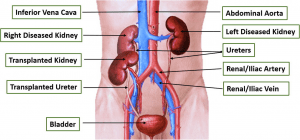
The new kidney is surgically linked to neighboring blood arteries and put on the bottom right or left side of your abdomen. The kidney may easily link to blood arteries and the bladder by being placed in this location. Your replacement kidney’s vein and artery are connected to your vein and artery. The ureter of your new kidney connects to your bladder and allows urine to exit your body.
What is the evaluation procedure?
To understand more about your overall health, medical specialists will conduct a thorough physical examination, review your medical records, and order a variety of tests and X-rays. Everything that could impair your ability to cope with treatment will be examined. The transplant evaluation process is fairly extensive. To help them—and you—decide if a transplant is right for you, your healthcare team will need to know a lot about you. One way to expedite the procedure is to complete all testing as soon as feasible and maintain regular touch with the transplant team. If you’re informed you’re not a candidate for a transplant, don’t be afraid to inquire as to why—or if you might be a candidate at a later date or at a different center. Remember that taking responsibility for your own health is one of the best strategies to stay healthy.
If someone you know wants to donate a kidney to you, he or she will need to go through a test to see if they are a match and healthy enough to do so.
If your child has kidney illness, you should seriously consider getting him or her evaluated for a transplant. Transplantation may be the best treatment for adolescents and young people since it helps them to develop as normally as possible during their formative years.
What exactly are anti-rejection drugs?
Normally, your body defends itself against anything that isn’t a part of it, such as germs and viruses. Your immune system is the name for this defense system. To keep your immune system from fighting or rejecting the donated kidney, you’ll need to take medications that suppress your immune system (called anti-rejection medicines or immunosuppressant medicines). You’ll have to take them for as long as your new kidney is functioning properly. Your immune system would mistake the donated kidney for “foreign” and attack and destroy it if you didn’t have them.
Anti-rejection drugs may have unwanted side effects. It’s crucial to discuss them with your healthcare professional, so you know what to expect. Fortunately, side effects are relatively controllable for the majority of people. Some of the negative effects can be alleviated by changing the dose or type of medicine.
You will also take other medications in addition to the immunosuppressive ones. You’ll also take antibiotics to prevent infection. Most people consider taking medications to be a minor inconvenience in exchange for the independence and improved quality of life that a successful transplant can provide.
Aftercare of procedure
What happens when I return home?
The most crucial task comes once you’ve returned home from the hospital: follow-up. You will undergo regular checks, especially during the first year, to ensure that your transplant is effective. Blood tests may be required multiple times each week in the beginning. After that, you’ll just need a few more checks to ensure that your kidney is working well and that you’re taking the right dose of anti-rejection medication.
What happens if your body rejects the new kidney?
Acute rejection, which means your body is abruptly trying to reject the transplanted kidney, is something you and your healthcare team will be on the lookout for. There may be no obvious indications or symptoms of a rejection episode. That’s why it’s critical to get frequent blood testing to see how well your kidneys are functioning. Fevers, decreased urine production, swelling, weight gain, and pain over your kidney are all signs that you may be experiencing rejection.
Right after your surgery, your chances of experiencing a rejection episode are at their highest. The longer you have the kidney, the less likely this will occur. Even if you’re following all of the rules, you can get a rejection letter. The body does not always accept the transplanted kidney. However, if you do experience a rejection episode, there are a variety of treatment options available to ensure that the procedure is failed or not. It’s critical to notify your transplant team as soon as you suspect you’re experiencing rejection symptoms.
How frequently do rejection incidents occur?
Rejections are significantly less common these days. This is due to numerous advancements in immunosuppressive medications. The risk of rejection, on the other hand, varies from individual to person. Most people can avoid rejection by taking anti-rejection medications. Regular examinations are essential to determine how well your kidney is performing and to ensure that you are not experiencing rejection.
When can I be able to return to work?
The length of time it takes you to return to work is determined by your recuperation, the type of work you committed, and any other medical conditions you may have. Many people can return to work after their transplant in as little as eight weeks
Will this have an impact on my sex life?
People with renal illness who haven’t had acceptable sexual encounters may experience an improvement when they begin to feel better. Fertility (the ability to conceive children) is also on the rise. Men who have undergone kidney transplants have fathered healthy offspring, and women who have had kidney transplants have given birth to healthy babies. When thinking about having a kid, it’s wise to consult with your doctor.
Women should avoid getting pregnant following a transplant if at all possible. The majority of centers require women to wait a year or more. All pregnancies must be scheduled ahead of time. Certain drugs that may harm an unborn child must be stopped six weeks before attempting to conceive. Counselling about birth control may be beneficial. It’s critical to safeguard oneself from sexually transmitted infections (STDs). When engaging in sexual activity, be sure to utilize protection.
Will I have to stick to a specific diet?
Transplant recipients should follow a heart-healthy diet (low fat, low sodium) and drink lots of water. You may have some food limits if you have diabetes or other health issues. A nutritionist can assist you in creating healthy food plans.





Comments 1