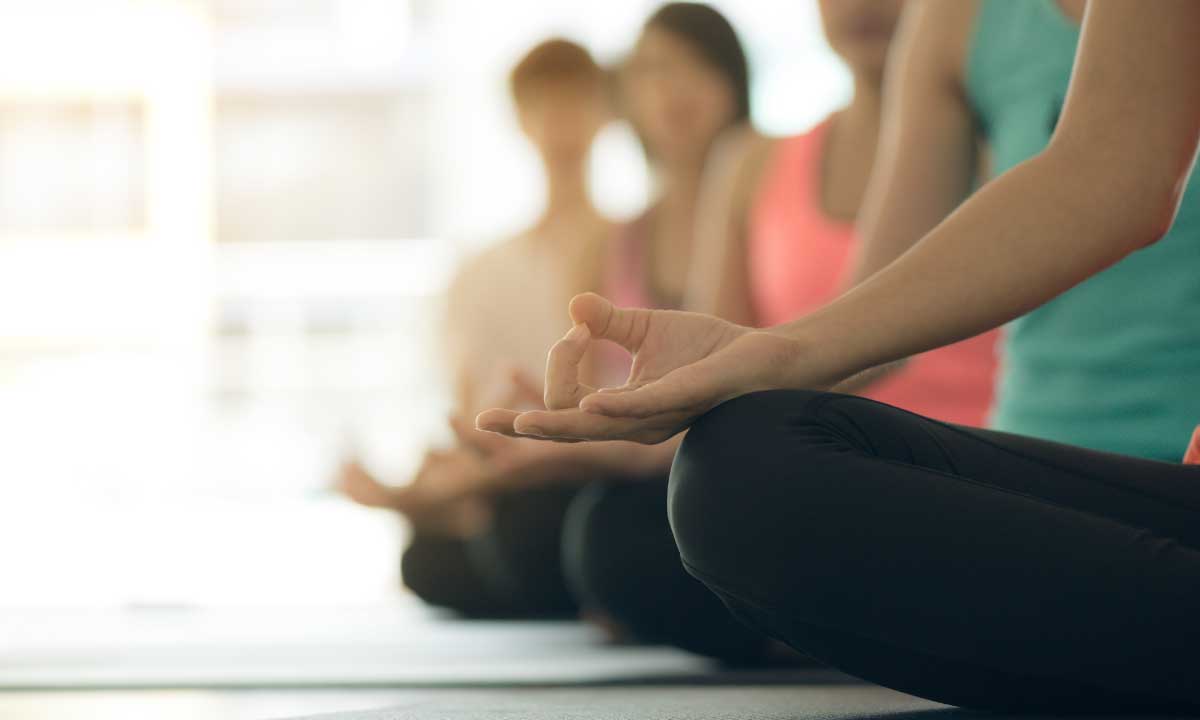
What makes meditation so effective?
It has the capacity to calm racing thoughts, calm an overly stressed brain, and nurture a fatigued soul, allowing tranquilly to spread throughout the body and the possibility of healing on many levels to emerge.
Effective types of meditation
Mantra Meditation
Mantra is a Sanskrit term with two roots: man, which means mind, and tra, which means tool or instrument. As a result, a mantra is a mental tool on the path to enlightenment.
Mantras can now be found in the form of positive affirmations (“You are smart, kind, and important.”) as well as in their more traditional form as a one-syllable sound vibration with no literal translation. Mantras take the place of thinking on the mental level. You can only concentrate on one thing at a time.
Practitioners of some religions, such as Buddhism, Christianity, and Hinduism, recite mantras to strengthen their mind-heart connection and be present with God.
Focused Meditation
It requires concentration on any of the five senses.
For example, You can concentrate on something internal, such as your breathing, or you can bring in external factors to assist you in focus.
Counting mala beads, listening to a gong, or staring at a candle flame are all good ways to relax.
Although this technique appears straightforward in theory, beginners may find it challenging to maintain their focus for more than a few minutes at first.
It’s critical to return to the practice and refocus whenever your mind wanders.
This practice is perfect for anyone who needs more focus in their lives, as the name implies.
Relaxation
Progressive relaxation, often known as body scan meditation, lowers physical tension and fosters relaxation.
This type of meditation frequently entails gradually tightening and relaxing one muscle group at a time throughout the body.
In rare circumstances, it may also be helpful to envision a calm wave moving through your body to help you relax.
This type of meditation is frequently used to relieve tension and relax before going to bed.
Transcendental Meditation
Vedic meditation, a sort of Hindu meditation, is frequently confused with transcendental meditation.
Visualization Meditation
It is a practice that focuses on imagining good sceneries or images to increase emotions of relaxation, tranquilly and calmness.
It’s critical to envision the situation clearly and use all five senses to add as much detail as possible during this exercise.
Another type of vision meditation involves visualizing yourself achieving specific goals in order to improve focus and motivation.
Many people practice visualization meditation to improve their mood, reduce stress, and find inner peace.
Yoga Meditation
There are numerous distinct varieties of yoga, just as there are many different types of meditation. Some, like Kundalini, focus on strengthening and relaxing the nervous system through meditative practices.