
![GERD[Acid Reflux]:Relevant Points About It !](https://medicalfitbit.com/wp-content/uploads/2021/10/GERDAcid-Reflux.jpg)
Do You Know About GERD?
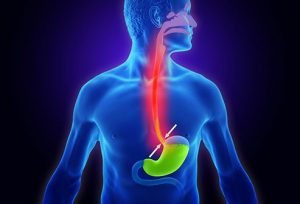
GERD (gastro esophageal reflux disease, often known as chronic acid reflux) is a disorder in which acid-containing contents from your stomach seep back up into your esophagus, the tube that connects your throat to your stomach.
Symptoms of GERD
Heartburn, acid regurgitation is considered to be the most common symptoms. Some people suffer from GERD without experiencing heartburn. Instead, they have chest pain, hoarseness in the morning, or difficulty swallowing. You may feel as if food is trapped in your throat, as if you are choking, or as if your throat is constricted. A dry cough and poor breath are also symptoms of GERD.
Heartburn is the most prevalent GERD symptom. It usually feels like a scorching sensation in your chest that starts beneath your breastbone and travels up your neck and throat. Many patients report that food is returning to their mouth, leaving an acidic or bitter taste.
Heartburn can cause burning, pressure, or pain that can last up to 2 hours. It’s usually harsher after a meal. Heartburn may also be caused by lying down. Many people find that standing upright or taking an antacid that clears acid from the esophagus helps them feel better.
Heartburn pain is sometimes confused with the agony of heart disease or a heart attack, but the two are not the same. Exercise may aggravate chest pain, while rest may reduce it. Physical activity may reduce the cause of heartburn pain.
You may also have other symptoms in addition to discomfort:
- Nausea
- Breath problems
- Breathing problems
- Vomiting
- Tooth enamel deterioration
If you suffer acid reflux at night, you may also have the following symptoms:
- Cough that won’t go away
- Laryngitis
- Asthma that develops quickly or worsens
- Problems with sleep
Causes of GERD
A circular band of muscles at the end of your esophagus is known as the lower esophageal sphincter (LES). It relaxes and opens as you swallow when it’s working properly. After that, it tightens and closes again.
When your LES does not tighten or seal properly, acid reflux occurs. This permits your stomach’s digesting juices and other substances to ascend up into your esophagus.
Risk factors of GERD
Heartburn affects more than 60 million American people at least once a month, and more than 15 million individuals, including many pregnant women, experience it every day. According to recent studies, GERD in infants and children is more widespread than doctors previously believed. It has the potential to cause recurrent vomiting. Coughing and other respiratory issues are also possible side effects.
How to diagnose GERD?
If your doctor suspects you have GERD, he or she will perform a physical exam and inquire about any symptoms you’ve been having.
To confirm a diagnosis or screen for GERD problems, they may utilize one or more of the following procedures:
- X-ray imaging is used to evaluate your upper digestive tract after you drink a barium solution.
- Upper endoscopy: a flexible tube with a small camera is threaded into your esophagus to inspect it and, if necessary, obtain a tissue sample (biopsy).
- The strength of your esophageal muscles is measured via esophageal manometer, which involves threading a flexible tube into your esophagus.
- pH monitoring of the esophagus: a monitor is put into your esophagus to determine if and when stomach acid enters it.
Treatment For GERD
Your consultant may advise you to adjust your eating habits or other actions to help avoid and reduce GERD symptoms.
Doctor also advise you to take over-the-counter drugs such as:
- antacids
- H2 receptor antagonists
- Inhibition of the proton pump (PPIs)
They may prescribe stronger H2 receptor blockers or PPIs in some circumstances. If GERD is severe and other therapies aren’t working, surgery may be needed.
Complications
Stomach acid stays away at your esophagus until an open sore appears, causing an esophageal ulcer. These lesions are usually painful and bleed often. They can make swallowing difficult.
Stomach acid causes scar tissue to grow in the lower region of your esophagus, causing esophageal stricture. This scar tissue accumulates until it narrows the esophagus and makes swallowing difficult.
Barrett’s esophagus occurs when acid reflux causes alterations in the cells that lining the esophagus. The lining thickens and becomes crimson. An increased risk of esophageal cancer has been related to this illness.
Reflux can irritate and hurt your lungs if it reaches the back of your throat. It can then make its way into the lungs (aspiration). Your voice may get hoarse as a result of this. You can also be suffering from postnasal drip, chest congestion, and a persistent cough. Asthma, bronchitis, and possibly pneumonia can develop if your lungs become inflamed.



![Hepatomegaly[Enlarged Liver]:Do You Know About It!](https://medicalfitbit.com/wp-content/uploads/2021/10/Do-you-know-about-Hepatomegaly.jpg)

![Effective Benefits Of Besan[Gram] Powder For Skin: Natural Face Pack For All Skin Type](https://medicalfitbit.com/wp-content/uploads/2021/12/besannnn-120x86.jpg)

![Corona Virus[Covid-19]: Symptoms, Complication And Prevention](https://medicalfitbit.com/wp-content/uploads/2021/06/Covid-19-1.jpg)

![COPD[Chronic Obstructive Pulmonary Disorder]:Things You Need To Know](https://medicalfitbit.com/wp-content/uploads/2021/08/Chronic-Pulmonary-Obstructive-Disorder.jpg)


I simply could not depart your site prior to suggesting that I extremely enjoyed the usual info a person supply for your
guests? Is gonna be again regularly in order to check up on new posts
It is the best time to make a few plans for the longer term and it’s time to be happy.
I’ve read this publish and if I could I want to suggest you
some attention-grabbing issues or tips. Maybe you could write next articles regarding
this article. I want to read even more things approximately it!