
![Urinary Tract Infection[UTI]:Causes, Symptoms, Treatment And Complications](https://medicalfitbit.com/wp-content/uploads/2021/10/Urinary-Tract-infection.jpg)
What do you know about Urinary Tract Infection[UTI]?
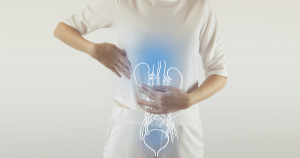
UTI is considered to be a bacterial infection that affects any part of the urinary system. This may affect your urethra (urethritis), kidneys (pyelonephritis), or bladder, among other things (a condition called cystitis).
Causes of UTI
Urinary bladder infection (cystitis): E. coli, a type of bacteria often present in the gastrointestinal (GI) tract, is the most prevalent cause of this form of UTI. Other bacteria, though, are occasionally to blame.
Cystitis can be caused by sexual activity. The small distance between the urethra and the anus, as well as the urethral entrance to the bladder, puts all women at risk of cystitis.
urethritis: When GI bacteria spread from the anus to the urethra, this type of UTI can develop. Sexually transmitted illnesses like herpes, gonorrhea, chlamydia and mycoplasma can also induce urethritis because the female urethra is near to the vagina.
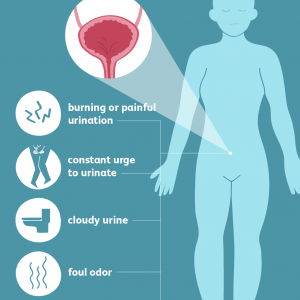
Symptoms of UTI
- Pain on one side (flank), in the belly, or in the pelvis
- Lower-pelvic pressure
- Dysuria (painful urination) and pee with blood
- Urinating in the middle of the night
- Strong or foul-smelling urine, as well as an abnormal pee color (cloudy urine)
- During intercourse, there’s a lot of discomforts
- Aching in the penis
- Lower backache or flank (side of the body) pain
- Fatigue
- Fever and chills (temperatures over 100 degrees Fahrenheit)
- Vomiting
- Confusion or mental changes
Risk factors of UTI
During their lifetime, more than 50% of all women will have at least one UTI, with 20 to 30 percent having recurring UTIs.
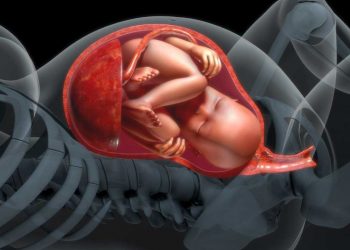
Pregnant women do not have more chance to get it than other women to get a UTI, but if they do, the infection is more likely to spread to the kidneys.
Because a UTI during pregnancy can be harmful to both the mother and the baby, pregnant women are tested for bacteria in their urine, even if they have no symptoms, and are treated with antibiotics to prevent that infection from spreading.
A UTI can strike people of any age or gender. Some people, though, are in greater danger than others. The following variables can raise your chances of getting a urinary tract infection:
- Sexual intercourse, mainly if it is more frequent, intense, and involves several or new partners
- Diabetes
- Poor Personal hygiene
- Having difficulty entirely emptying your bladder
- Having a catheter in your urinary tract
- Incontinence of the bowels
- obstructed urine flow
- Renal calculi
- Contraception in some forms
- Pregnancy
- Menopause
- Urinary tract procedures
- Immune system dysfunction
- Long periods of immobility
- Tampons and spermicides
Treatment of UTI
- Antibiotics and antifungals should be used as needed (according to culture reports)
- In the event of a severe and complicated UTI, intravenous antibiotics may be used (associated with septicemia, shock, acute kidney injury)
- Treatment for structural or functional abnormalities of the urinary tract, such as stone removal and urethral stenosis repair.
Prevention of UTI
Drink a lot of water and other drinks: Drinking water dilutes your urine and makes you urinate more frequently, which allows bacteria to be flushed from your urinary tract before the infection develops.
Cranberry juice is a great way to get some vitamin C. Although research on cranberry juice’s ability to prevent UTIs is inconclusive, it is unlikely to be dangerous.
Wipe from front to the back: After peeing and having a bowel movement, do so to avoid bacteria from spreading from the anal region to the vaginal and urethral cavities.
After you’ve had your intercourse, go to the bathroom and empty your bladder as soon as you can. To assist flush bacteria, drink a full glass of water.
Avoid feminine products that could irritate you.
How can you get a urinary tract infection (UTI)?
A urinary tract infection is fairly common. Bacteria from the vaginal, genital, and anal sites can enter the urethra, move to the bladder, and infect it. Bacteria from your partner’s genitals, anus, fingers, or sex toys can get pushed into your urethra during sexual activity.
How painful is a urinary tract infection (UTI)?
The lining of the bladder and urethra become red and irritable when you have a UTI, just like your throat when you have a cold. Irritation can cause pain in your lower belly, pelvis, and even your back, as well as a desire to urinate more frequently.




![Urinary Tract Infection[UTI]:Causes, Symptoms, Treatment And Complications](https://medicalfitbit.com/wp-content/uploads/2021/10/Urinary-Tract.jpg)

Comments 1