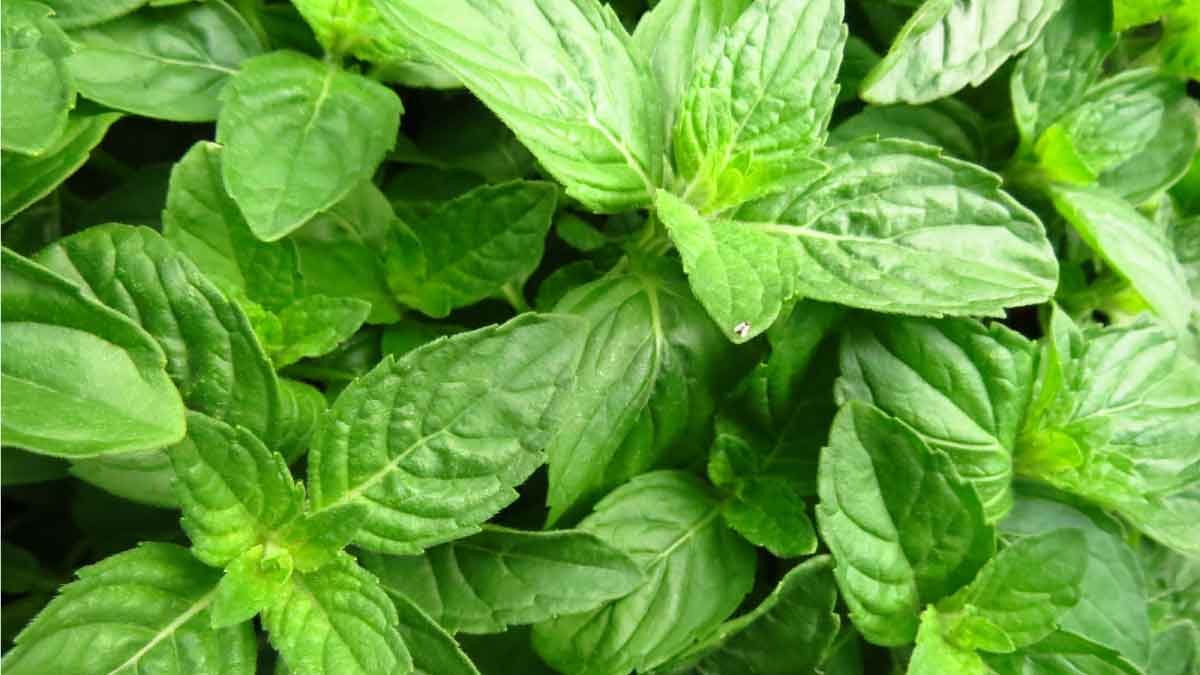
Tulsi leaves boost a person’s capacity to fight off a common cold as well as a cough. Tulsi increases the formation of antibodies, which helps to avoid infections. It has anti-cough effects. It aids in the clearing of the airways by assisting in the coughing up of sticky mucus.
One of the most prevalent ailments is a dry cough. It’s a reflex response that clears irritants and mucus from your airway. Dry cough, also known as non-productive cough, is characterized by the absence of phlegm or mucus. A persistent dry cough can be bothersome and have an influence on your daily life. The majority of dry coughs are produced by a reaction to an allergen, pollutant, or toxin in the environment, all of which are removed from the respiratory system by coughing.
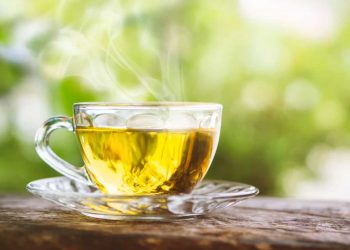
Drinking tulsi tea every day is one of the best home treatments. Simply boil 300-500 ml of water with 5-7 tulsi leaves for a few minutes. Allow it to cool before drinking the tulsi-infused water. To produce a herbal mixture, add a few spices like cardamom, ginger, black pepper, and cloves to make it more effective. Drink on a daily basis to avoid dark circles, acne, rashes, and other skin issues. Furthermore, it has been discovered to protect organs and tissues from chemical and physical stress, and it is high in nutrients like Vitamin K.”
Benefits of Tulsi for cold and cough
1. Decongestant action: Tulsi or holy basil extracts were found to help keep the bronchial airway passages free and uncongested in animal research.
2. Reduces phlegm: Tulsi, an ancient herb, has anti-inflammatory properties that help the respiratory system. Tulsi, or holy basil, helps to efficiently liquefy the phlegm, according to a study. It may help in the relief of cough caused by allergic bronchitis, asthma, and eosinophilic pulmonary illness. Tulsi has therapeutic potential in almost every part of the plant, including the seeds, leaves, and roots, which have been used both internally and externally.
3. Soothes the throat: Tulsi has been used to heal sore throats, coughs, and colds since ancient times. Boiling water containing tulsi leaves had a soothing impact on people with sore throats, according to research. Tulsi leaves have adaptogenic properties. Tulsi aids the body and mind in dealing with a variety of physical, chemical, emotional, and infectious stresses.
4. Treats mild throat infections in children: Inhaling the steam from Tulsi leaves combined with hot water can aid children with minor throat infections. Breathing the steam of Tulsi leaves with hot water is more effective than inhaling the steam of merely hot water, according to a 2014 study.
5. Treats fever: Tulsi leaf juice is usually beneficial in lowering high fevers.
Is tulsi useful for coughing?
Tulsi’s antibacterial, anti-inflammatory, antitussive (cough-relieving), and anti-allergic qualities help to relieve cough and cold symptoms. Taking a few Tulsi leaves with honey relieves cough and cold while also improving immune health.
Can tulsi treat dry cough?
Tulsi tea (basil tea), according to Ayurveda, may be beneficial in treating dry cough. It contains antibacterial and analgesic qualities, as well as helping to increase immunity. Tulsi leaves can help with allergic bronchitis, asthma, and other lung conditions.
How do I use tulsi to treat a cough or a cold?
Take one cup of water and add tulsi leaves and a small piece of ginger to get rid of cough and cold. Cook this combination over low heat until it has reduced to half its original volume.T ake it after some time.
Is it safe to consume tulsi water on a daily basis?
It also aids with memory enhancement. If you drink tulsi water every day, your body’s metabolic activity will improve. This helps to slim down the waistline and drop a few pounds.
![Effective Benefits Of Besan[Gram] Powder For Skin: Natural Face Pack For All Skin Type](https://medicalfitbit.com/wp-content/uploads/2021/12/besannnn-350x250.jpg)





![Effective Benefits Of Besan[Gram] Powder For Skin: Natural Face Pack For All Skin Type](https://medicalfitbit.com/wp-content/uploads/2021/12/besannnn-120x86.jpg)