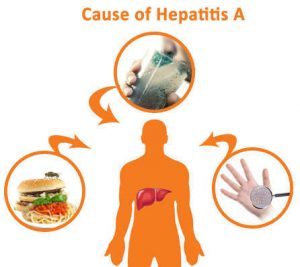
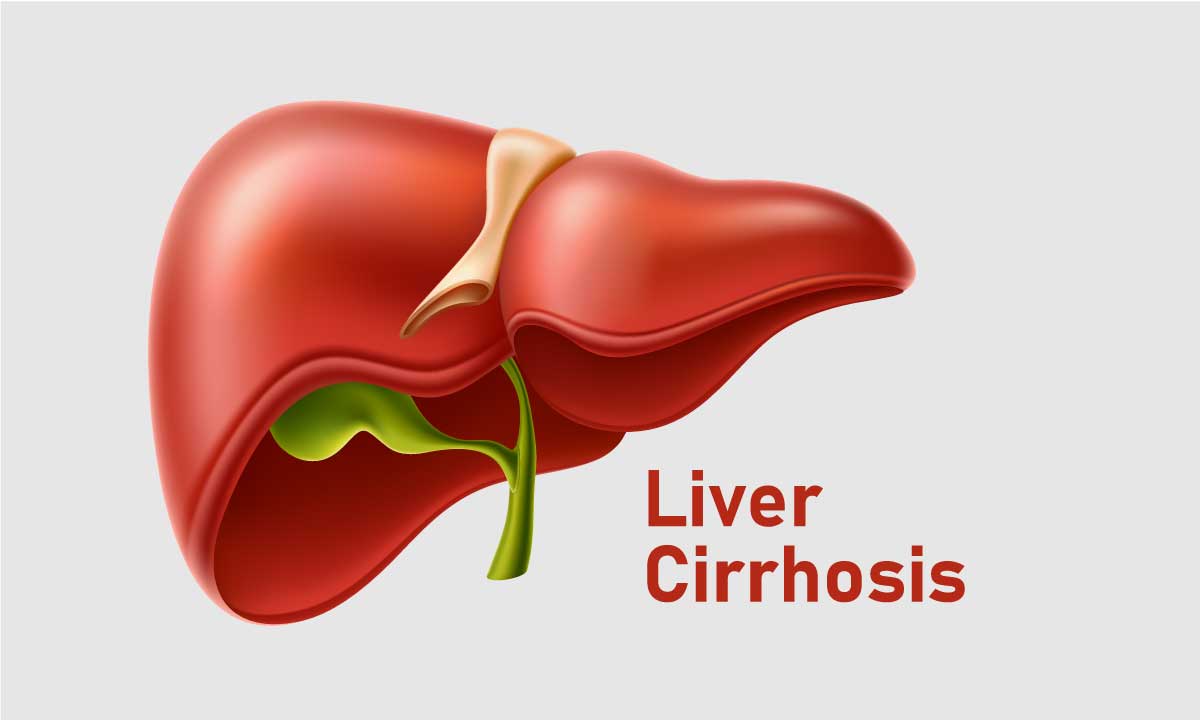
It is a liver infection brought on by the hepatitis A virus (HAV). The virus is spread largely when an uninfected (and unvaccinated) person consumes food or water contaminated with an infected person’s feces. The disease is connected to contaminated water or food, poor sanitation, personal hygiene, and oral-anal sex.
Causes of Hepatitis A
It can be caused by a virus that infects and inflames liver cells. The inflammation can impair how your liver functions and produce additional hepatitis A signs and symptoms.
The hepatitis A virus can spread in a variety of ways, including:
- consuming tainted water
- consuming raw mussels from sewage-polluted water
- close contact with an infected person
Symptoms of Hepatitis A
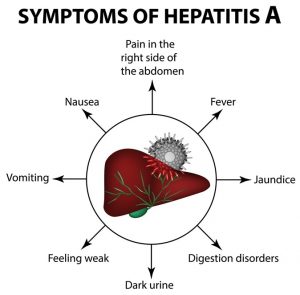
However, not everyone who has hepatitis A gets them. If you have hepatitis, you may experience the following signs and symptoms:
- Fatigue
- Nausea and vomiting occur suddenly
- Pain or discomfort in the abdomen, particularly on the upper right side beneath the lower ribs (by your liver)
- Loss of Appetite
- Fever of a low intensity
- Urine that is dark in color
- Joint discomfort
- jaundice
- Itching
Diagnosis of Hepatitis A
The presence of HAV-specific immunoglobulin G (IgM) antibodies in the blood allow for a precise diagnosis. Additional tests, such as reverse transcriptase-polymerase chain reaction (RT-PCR) to detect hepatitis A virus RNA, may be required and may necessitate the use of specialized laboratory facilities.
Treatment of Hepatitis A
Hepatitis A does not have a specific treatment. The recovery from infection symptoms might be lengthy, taking several weeks or months. It’s critical to avoid using medications that aren’t necessary. Acetaminophen, paracetamol, and anti-vomiting medications should all be avoided.
Prevention
The hepatitis A vaccine can help you avoid contracting the virus.
The following people should get a hepatitis A vaccine, according to the Centers for Disease Control and Prevention:
- All children under the age of one, as well as older children who have not received a childhood vaccine
- Anyone who is homeless and is at least one year old.
- Infants between the ages of 6 and 11 months who are traveling internationally
- Adoptive families and caregivers from countries where hepatitis A is prevalent
- People who come into direct touch with hepatitis A patients
Risk Factors of Hepatitis A
Risk factors are :
- Travel to or work in locations where hepatitis A is prevalent.
- Work in a child care center or go to child care.
- Cohabit with someone who has hepatitis A.
- Is he a man who has sex with other men?
- Having sexual contact with someone who has hepatitis A in any way.
- Are you a homeless person?
- Have a disease of clotting factors, such as hemophilia






![Effective Benefits Of Besan[Gram] Powder For Skin: Natural Face Pack For All Skin Type](https://medicalfitbit.com/wp-content/uploads/2021/12/besannnn-120x86.jpg)