what is hepatitis b
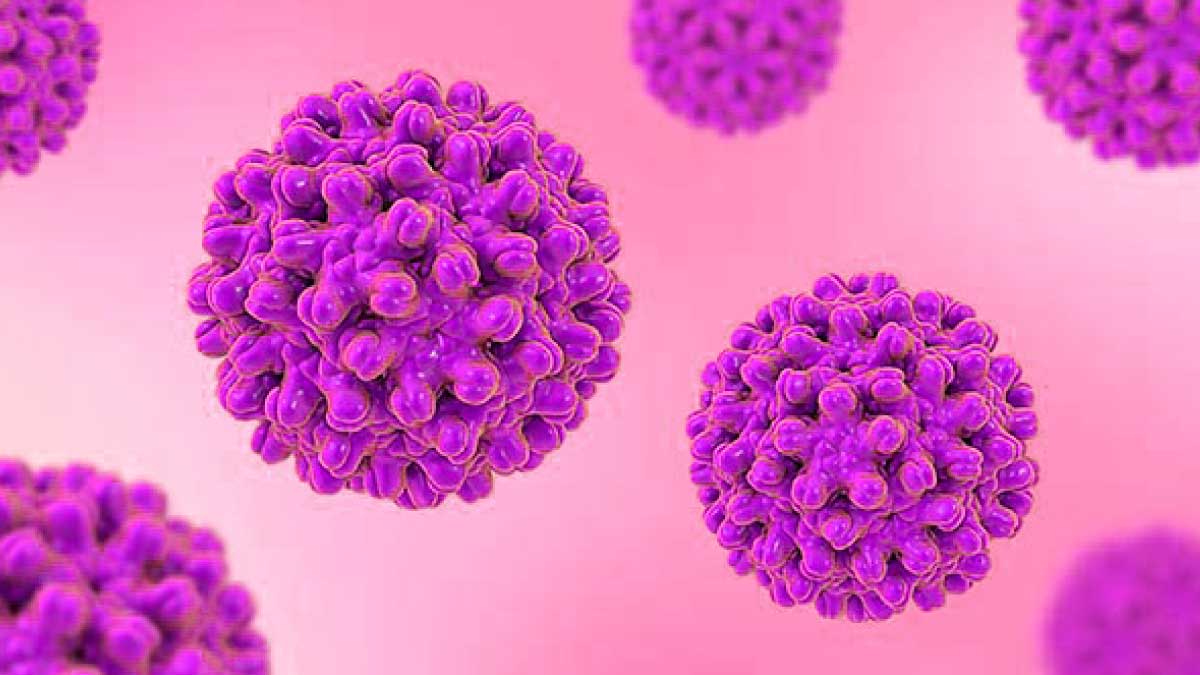
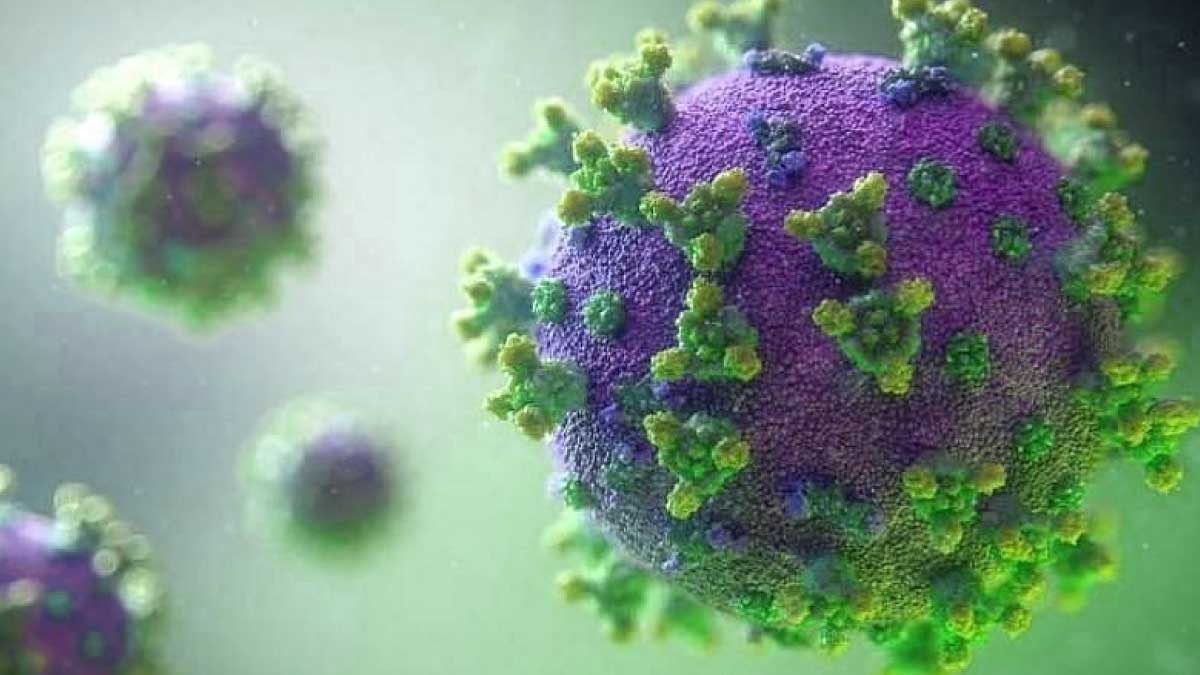
Hepatitis B is referred to as a liver infection caused by the hepatitis B virus that can be prevented with a vaccine (HBV). Hepatitis B is transmitted through blood, sperm, or other bodily fluids from a virus-infected individual enter the body of an uninfected person.
hepatitis b surface antibody,what is hepatitis B,hepatitis b symptoms,hepatitis b vaccine,HepatitisB
Is hepatitis B a dangerous disease?
Chronic hepatitis B is a dangerous disease that can lead to long-term health issues such as liver damage, liver failure, liver cancer, and even death.
Types of Hepatitis B
- Acute Hepatitis B
- Chronic Hepatitis B
What do you mean by acute hepatitis B (short-term hepatitis)?
It is a short-term sickness that develops after a person is exposed to the hepatitis B virus during the first six months. Acute hepatitis B can cause no symptoms or just moderate sickness in some people. Acute hepatitis B can lead to a more serious infection that necessitates hospitalization in some people.
What is chronic hepatitis B (also known as long-term hepatitis B)?
Some people, particularly those who become infected later in life, are able to eliminate the virus from their bodies without the need for therapy. In some patients, acute hepatitis B progresses to chronic hepatitis B, which is a lifelong infection. Chronic hepatitis B can lead to major health issues such as liver damage, cirrhosis, liver cancer, and even death overtime.
Causes of Hepatitis B
Hepatitis B virus is carried from one person to the next via blood, sperm, or other bodily fluids. Coughing or Sneezing do not spread the virus.
HBV is disseminated in a variety of ways.
Sexual contact : If you have unprotected sex with an infected person, you may cause hepatitis B. If a person’s blood, saliva, sperm, or vaginal fluids come into contact with your body, the virus can be transmitted to you.
Needle sharing: HBV is transmitted by infected blood-contaminated syringes and needles.
Needle sticks by accident: Health-care workers and others who come into touch with human blood should be concerned about hepatitis B.
Child to mother :During childbirth, HBV-infected pregnant mothers can spread the virus to their offspring.
 Signs and Symptoms
Hepatitis B may cause minor to severe signs and symptoms. Some people, particularly small toddlers, may not show any signs or symptoms at all.
The following are examples of Hepatitis B signs and symptoms:
- The discomfort in your stomach
- The urine is dark
- Fever
- Achy joints
- Loss of Appetite
- Vomiting and nausea
- Fatigue and a sense of weakness
- Jaundice
Treatment of Hepatitis B
What is the treatment for acute (short-term) hepatitis B?
There is currently no treatment for acute hepatitis B. Rest, appropriate nourishment, and drinks are usually recommended for persons who have minor symptoms. Those who have more severe symptoms may need to be admitted to the hospital.
What is the treatment for chronic hepatitis B?
A number of treatments have been authorized to treat chronic hepatitis B, and others are being developed. However, not everyone with chronic hepatitis B requires medication, and some individuals may experience negative effects. Because hepatitis B drugs do not cure the disease, people who begin therapy may need to continue taking them continuously.
What can chronic hepatitis B patients do to protect their liver?
Chronic hepatitis B should be treated by a healthcare practitioner who is familiar with the condition (such as an internist or a provider who specializes in treating people with infectious, digestive, or liver illnesses) and can monitor their liver function on a frequent basis. Patient have to know :
- Get vaccination of Hepatitis and a hepatitis C test
- Avoid drinking alcoholic beverages
- Patients who are overweight (i.e., those with a BMI of 25kg/m2) or obese (BMI of 30kg/m2) should eat a healthy diet and exercise often; and patients who are obese (BMI of 30kg/m2) should eat a healthy diet and exercise regularly.
- Before using any prescription drugs, nutritional or herbal supplements, or over-the-counter treatments, consult your doctor, as they may harm your liver.
Risk factors of Hepatitis B
Hepatitis B is transferred through contact with an infected person’s blood, sperm, or other bodily fluids. Risk factors are:
- Have unprotected intercourse with several sex partners or with an HBV-infected partner
- During IV drug use, share needles
- Are you a man who enjoys having sex with other men?
- If you live with someone who has a persistent HBV infection, you should be aware of the risks.
- Are you the child of an infected mother?
- Have a profession that requires you to come into contact with human blood
- Travel to areas where HBV is prevalent, such as Asia, the Pacific Islands, Africa, and Eastern Europe.
Complications of Hepatitis B
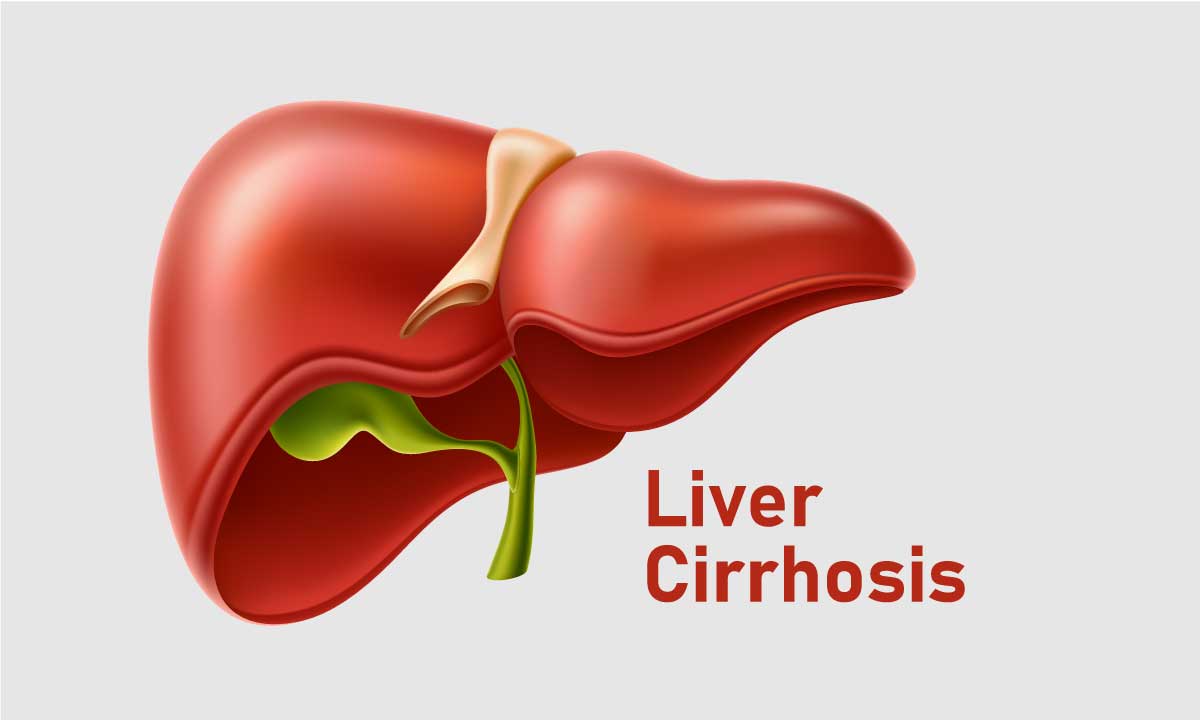
cirrhosis: Hepatitis B infection causes inflammation in the liver, which can cause significant scarring (cirrhosis) and damage the liver’s capacity to function.
Liver Cancer :People with chronic hepatitis B have a higher chance of developing liver cancer.
Liver failure: Acute liver failure is a disorder in which the liver’s key functions stop working.
Other conditions: Chronic hepatitis B patients may develop renal disease or blood vessel inflammation.
Prevention
The hepatitis B vaccine is suggested for the following conditions:
- Newborns
- Children and adolescents who were not vaccinated by birth
- Those who work in a developmentally impaired person’s center
- People who live along with a hepatitis B carrier
- Those who are infected with a sexually transmitted infection, such as HIV.
- Men who engage in sex with other men
- Sexual partners of a hepatitis B patient
- Chronic liver disease patients
- Patients with End-stage renal disease
- Travelers who visit a region with a high hepatitis B infection incidence should be aware of the risks.
hepatitis b surface antibody,what is hepatitis B,hepatitis b symptoms,hepatitis b vaccine,HepatitisB



![Effective Benefits Of Besan[Gram] Powder For Skin: Natural Face Pack For All Skin Type](https://medicalfitbit.com/wp-content/uploads/2021/12/besannnn-120x86.jpg)