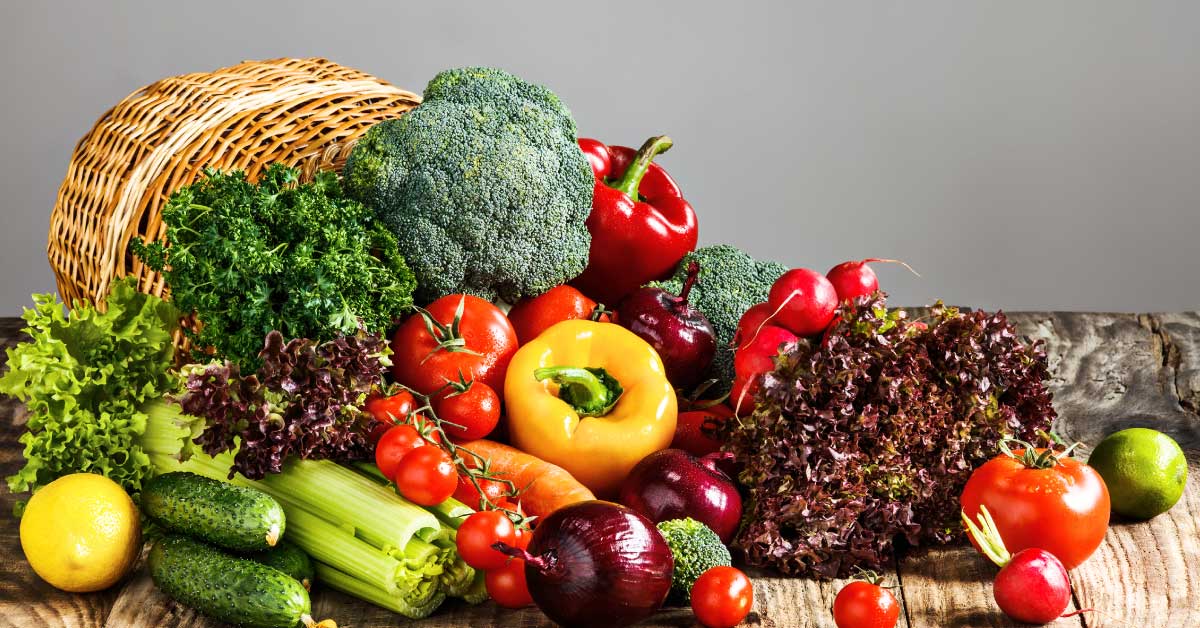
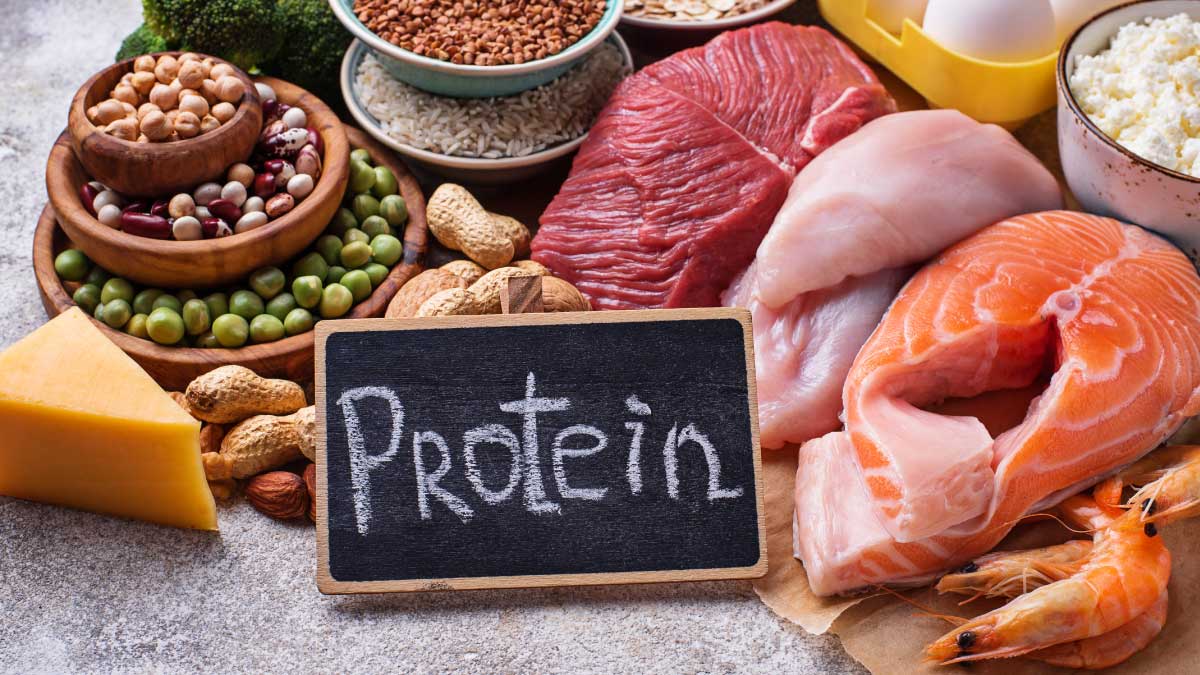
Protein is said to be an essential component of our everyday diet. They give the growth factors that our muscles, cells, and other important tissues require to stay healthy and function normally.
1.Lentils
Lentils are a type of pulse that belongs to the legume family rather than a vegetable. However, when it comes to a low-cost, easily accessible vegetarian protein, you won’t find a better option.
2.Legumes
Legumes are bean varieties such as kidney beans, black beans, chickpeas, and others that are commonly regarded as protein powerhouses. Chickpeas have about 15 grams of protein per serving, as well as a variety of other nutrients, minerals that help you stay healthy, strong, and fit. Clinical studies have also shown that eating legumes on a regular basis can help lower cholesterol levels.
3.Chickpeas
Chickpeas, also said as Garbanzo beans are a key ingredient in hummus. They have a mild, nutty flavor that complements a wide range of foods.
4.Oats
Oats are superfoods without a doubt. They’re not only high in protein, but they’re also high in soluble fiber, which has been marked in studies to help lower cholesterol and lessen the risk of heart disease. A tiny cup of oats has about 6 grams of protein and about a fourth of your daily fiber requirement. Avoid masala oats and ready-to-eat meals because they include more salt and may not provide the healthful start to the day that you expect. Rather, purchase ordinary oats and eat them with milk and a tablespoon of honey sprinkled with almonds. You may also add a bunch of berries or slice up some fruit into them. In the morning, a cup of oats is a terrific way to get your day started.
5.Wild Rice
Although wild rice is not related to rice, it can be used in many of the same cuisines. Serve this nutrient-dense grain alone or in casseroles, soups, pilaf, and stuffing.
6.Chia seeds
Chia seeds are simple to utilize, but make sure you get the organic kind. Also, be sure the seeds you’re eating aren’t basil seeds, which look a lot like Chia seeds. Simply soak Chia seeds in water for a few minutes, and drinking them with your favorite beverage will provide your body with the nutritious boost it needs. Chia seeds are an excellent source of protein for vegetarians.
7.Pistachio
Pistachio shelling can be difficult, but it’s well worth the effort. Pistachios are not only wonderful by the handful, but they also are used in baked products, salad dressings, and as a fish coating.
8.Fruits
Fruits are often lower in protein than other foods. Fruits like bananas, guava, and some berries, on the other hand, contain a significant amount of protein. However, instead of relying on fruits as a source of protein, consider one of the alternatives indicated previously in this article.
9.Almonds
Almonds are both tasty and healthy. Protein, good fats, vitamin E, antioxidants are all abundant in them. Eat almonds with the skin on to get the most nutrition.
10.Green Peas
You wouldn’t realize it by looking at them, but green peas are a high-protein food. Nearly 9 grams of protein is included in a cup of these green beauties. They’re also rich in vitamin A, K, and C, as well as a variety of minerals and fiber. Green peas can help you to receive the extra protein your body needs by simply including them in your daily vegetarian diet.
11.Nuts
Nuts are superfoods in their own right. If you want to have a high-protein vegetarian diet, nuts should be part of your regimen. Almonds, cashew nuts are high in protein and should always be included in the list of protein meals.
12.Potatoes
The dependable spud has a poor rep. It’s actually high in protein, as well as vitamins C and B-6. For an even higher protein increase, use russet or red potatoes. If you eat the skin, you get bonus points!
![Effective Benefits Of Besan[Gram] Powder For Skin: Natural Face Pack For All Skin Type](https://medicalfitbit.com/wp-content/uploads/2021/12/besannnn-75x75.jpg)

![Effective Benefits Of Besan[Gram] Powder For Skin: Natural Face Pack For All Skin Type](https://medicalfitbit.com/wp-content/uploads/2021/12/besannnn-120x86.jpg)
![COPD[Chronic Obstructive Pulmonary Disorder]:Things You Need To Know](https://medicalfitbit.com/wp-content/uploads/2021/08/Chronic-Pulmonary-Obstructive-Disorder.jpg)