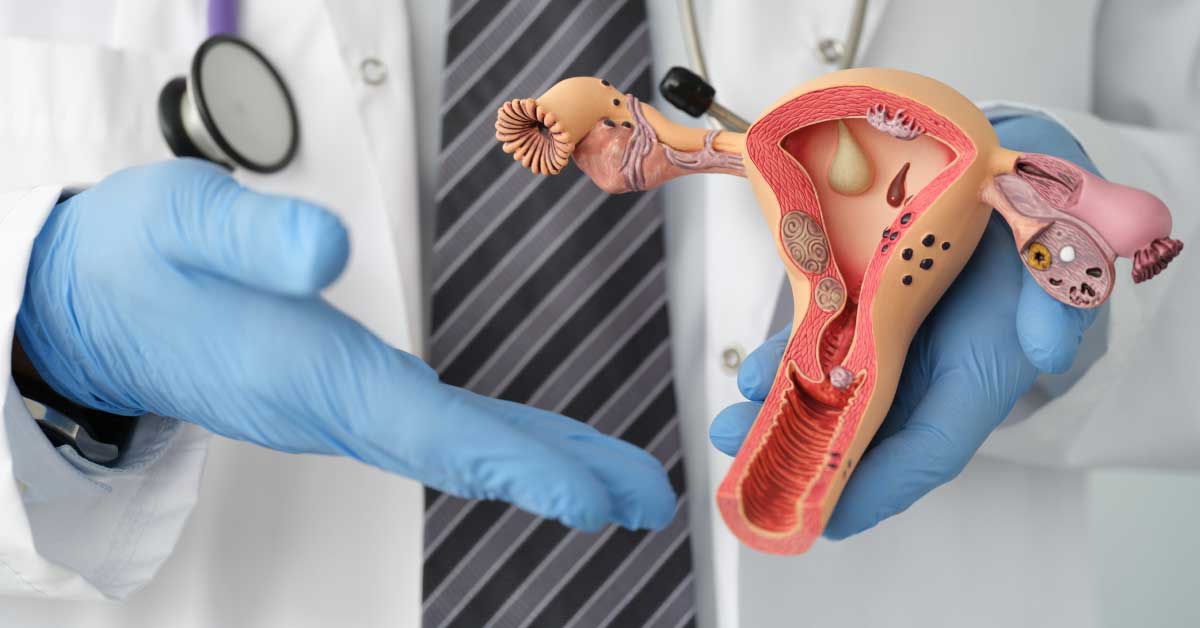
What is Vaginal Infection?
A vaginal infection is a kind of vaginitis, which is characterized by swollen, painful vaginal tissue and a discharge. Vaginitis comes in many forms, each with its own set of symptoms, but vaginal yeast infections are one of the most frequent.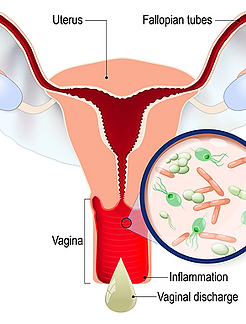
Vaginal Infection Causes
Most vaginal infections are caused by the fungus Candida albicans.
Your vaginal environment contains a healthy balance of yeast and bacteria, including candida. Yeast overgrowth is prevented by certain bacteria (lactobacillus).
However, this equilibrium can be upset. Signs and symptoms of a yeast infection are caused by candida overgrowth or penetration of the fungus into deeper vaginal cell layers.
Yeast overgrowth can be caused by a variety of factors, including:
- Antibiotic usage disrupts the normal flora of the vaginal cavity.
- Pregnancy
- Uncontrolled Diabetes
- Immune system dysfunction
- Using estrogen-stimulating oral contraceptives or hormone therapy
Symptoms of Vaginitis
Symptoms of the infection can range from mild to severe and include:
- Itching and discomfort in the vulva and vaginal region
- A scorching sensation, particularly during intercourse or urination
- The vulva is red and swollen.
- Soreness and pain in the vaginal area
- Rashes on the vaginal area
- Thick, white in color, odor-free vaginal discharge with a cottage cheese appearance
- Watery vaginal discharge
Treatment
It’s crucial to understand that there are many distinct varieties of yeast while considering treatment for a vaginal infection. Depending on the type of infection, your healthcare professional may suggest different treatment options.
A vaginal yeast infection is usually treated with antifungal medication prescribed by your doctor. This kind of drug is used to treat yeast infections in the body.
Oral and topical medications are the two types of treatments available. Topical medicines are applied to the affected area and are taken by mouth. Boric acid, nystatin, miconazole, and clotrimazole are some of the topical drugs that can be used. Each type of medication will be explained to you by your healthcare professional, along with instructions on how to use it appropriately.
Prevention
Wear undergarments with a cotton crotch that doesn’t fit too tight to lower your chances of vaginal yeast infections.
It may also assist in avoiding:
- Pantyhose with a tight fit
- Douching eliminates part of the vaginal germs that protect you from infection.
- Women’s scented items, such as bubble baths, pads, and tampons
- Bathtubs and baths that are extremely hot
- Antibiotic use that isn’t necessary
- staying long in wet clothing, such as swimsuits and training gear




![Effective Benefits Of Besan[Gram] Powder For Skin: Natural Face Pack For All Skin Type](https://medicalfitbit.com/wp-content/uploads/2021/12/besannnn-120x86.jpg)

![GERD[Acid Reflux]:Management And Follow Ups !](https://medicalfitbit.com/wp-content/uploads/2021/10/Acid-Reflux.jpg)