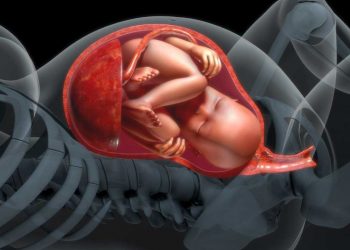
Oligohydramnios is an amniotic fluid disorder that causes a reduction in amniotic fluid volume for the gestational age. Low amniotic fluid quantities can be caused by a variety of maternal, fetal, or placental problems, and poor fetal outcomes can occur.
It is a condition in which the amniotic fluid volume is lower than predicted for the gestational age. It’s usually detected with ultrasound and can be described qualitatively (e.g., reduced amniotic fluid volume) or quantitatively (e.g., amniotic fluid index of 5 cm, a single deepest pocket of 2 cm).
Causes
The most prevalent cause of oligohydramnios is membrane rupture. Because the amniotic fluid is largely fetal urine in the second half of pregnancy, oligohydramnios can also be caused by a lack of fetal urine output or a blockage in the fetus’s urinary tract.
Symptoms and signs of oligohydramnios
- The amniotic fluid leakage
- An ultrasound revealed a lack of amniotic fluid.
- Sizes that are smaller than what is expected for gestational age.
- Maternal weight increase is low.
- Membrane rupture before labor.
- Discomfort in the abdomen.
- Fetal heart rate drops suddenly.
Treatment of Oligohydramnios
Prenatal care involves weekly maximum vertical pocket measures and nonstress examinations, in addition to treating the underlying cause, which has been shown to reduce the occurrence of unexplained fetal mortality. The development of the fetus should be monitored on a regular basis. In situations of isolated oligohydramnios in the third trimester, maternal hydration status is also important in therapy.
Birth defects are caused due to low amniotic fluid..
Issues with the kidneys or urinary tract development that might result in insufficient urine production and inadequate levels of amniotic fluid. Placental issues – If the placenta isn’t supplying the infant with adequate blood and nutrients, the baby may stop recycling fluid.