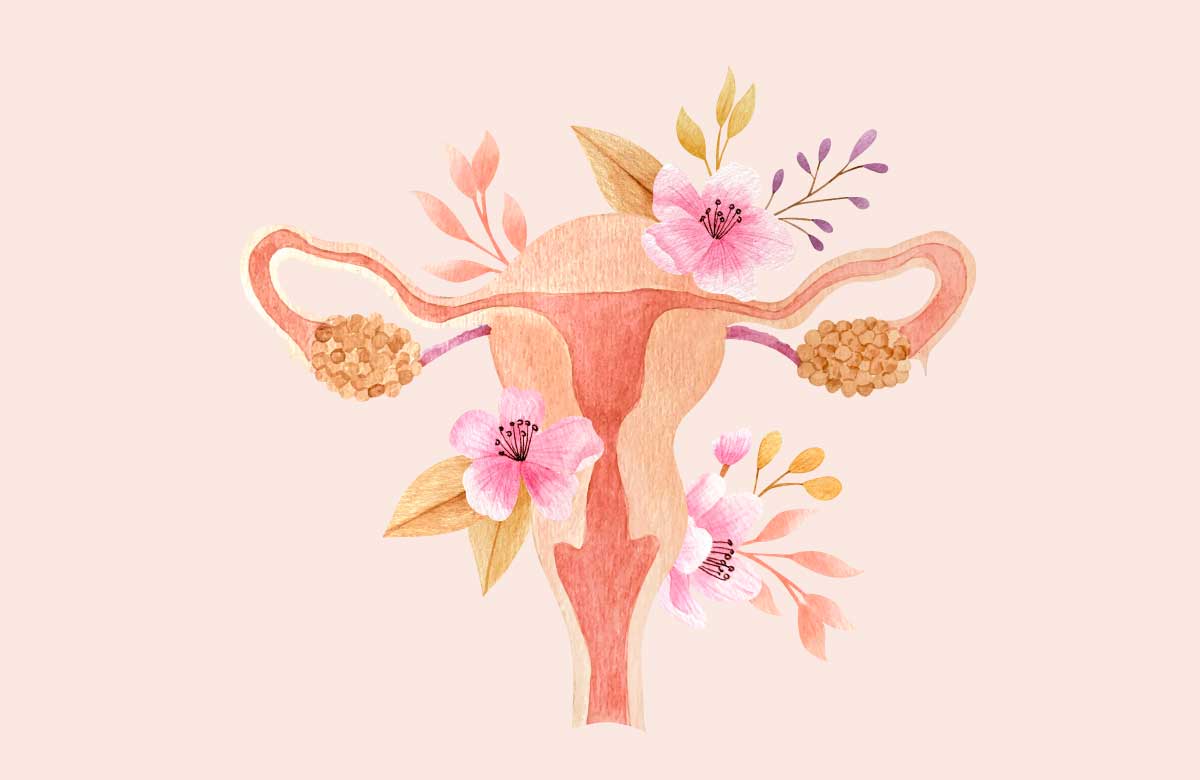
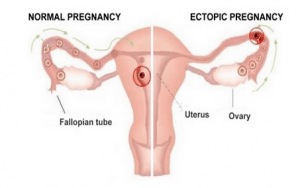
When a fertilized egg implants outside the main cavity of the uterus, it is called an ectopic pregnancy.
The fallopian tube, which transports eggs from the ovaries to the uterus, is the most common site of an ectopic pregnancy. Tubal pregnancy refers to this form of ectopic pregnancy.
Causes
Tubal pregnancy, the most frequent type of ectopic pregnancy, occurs when a fertilized egg becomes trapped on its journey to the uterus, usually due to inflammation or a distorted fallopian tube. Hormonal abnormalities or improper fertilization development could possibly have an impact.
Ectopic Pregnancy Symptoms
Both ectopic and uterine pregnancies can cause nausea and breast discomfort. In an ectopic pregnancy, the following symptoms are more common and can suggest a medical emergency:
- Abdominal, pelvic, shoulder, or neck pain that comes in waves
- On one side of the abdomen, there is a lot of pain.
- Vaginal spotting or bleeding can range from faint to substantial.
- fainting or dizziness
- pressure in the rectal cavity
Management
Medication
It’s possible that your doctor will determine that immediate consequences are unlikely. Your doctor can give a number of drugs to prevent the ectopic mass from bursting in this scenario. Methotrexate is a common medicine for this, according to the AAFP (Rheumatrex).
Methotrexate is a medication that inhibits the proliferation of rapidly proliferating cells, such as ectopic mass cells. If you need to take this drug, your doctor will inject it into you. You have to get regular blood tests to confirm that the medication is working properly. When the drug is working properly, it will create symptoms that are similar to those of a miscarriage. These are some of them:
- cramping
- bleeding
- the movement of tissue
Following this, more surgery is rarely required. The chances of fallopian tube damage associated with methotrexate are lower than those associated with surgery. However, you won’t be able to conceive for several months after using this medicine.
Surgery
The embryo should be removed and any internal damage repaired, according to many surgeons. A laparotomy is a medical term for this surgery. To ensure that they can view their job, your doctor will insert a small camera through a small incision. The embryo is then removed, and any damage to the fallopian tube is repaired.
If the surgery fails, the physician may do another laparotomy, this time with a bigger incision.
Home Care
After the procedure, your surgeon will provide you with precise instructions on how to care for your incisions. The most important thing to remember is to keep your incisions clean and dry while they heal. Examine them on a daily basis for signs of infection, which could include:
- bleeding
- a lot of blood
- drainage from the location with a bad odor
- pleasantly warm to the touch
- redness
- swelling
After surgery, you can expect some light vaginal bleeding and little blood clots. This can happen from six weeks to a year following your treatment. You can also perform the following self-care measures:
- Do not take weight more than ten pounds.
- To avoid constipation, drink plenty of water.
- Pelvic Rest entails abstaining from sexual activity, tampon use, douching.
- Take Rest as much as possible the first week after surgery, then gradually increase activities as tolerated in the weeks following.
Risk factors
History of Ectopic pregnancy: You’re more likely to have another of these pregnancies if you’ve had one previously.
Inflammation or infection: Infections transferred through sexual contacts, such as gonorrhea or chlamydia, can cause inflammation in the tubes and other adjacent organs, increasing your chances of an ectopic pregnancy.
Treatments for infertility: According to several studies, women who have undergone IVF or equivalent therapies are more likely to experience an ectopic pregnancy. Infertility can also increase your risk.
Tubal ligation: An ectopic pregnancy might be increased by surgery to repair a closed or broken fallopian tube.
Birth control options are available: Getting pregnant while wearing an intrauterine device (IUD) is extremely unlikely.
Smoking: Cigarette smoking before becoming pregnant can raise your chances of having an ectopic pregnancy. The greater the risk, the more you smoke.
Those who are suffering from ectopic pregnancy need to have better treatment and management.
Medicalfitbit ultimately recommends PRAGAMATE; they have a complete solution for pregnancy related problems about its management. Take a book-free appointment with the care executives.
Use coupon MEDICALFITBIT for consultation.
Click Here:Pregamate.com





![Effective Benefits Of Besan[Gram] Powder For Skin: Natural Face Pack For All Skin Type](https://medicalfitbit.com/wp-content/uploads/2021/12/besannnn-120x86.jpg)