What is Depression?
It is a widespread and significant medical condition that harms how you feel, think, and behave. It is treatable. Depression may produce unhappiness or a loss of interest in previously appreciated activities. It can also cause a slew of mental and physical issues.
Causes Of Depression
Family History
Although there are no specific genes that may be linked to depression, if someone in your family has been affected by depression, you are more likely to suffer from it as well. If this link is due to learned behavior or biology, the jury is still out.
Illness and other medical problems
Physical ailments or injuries can have a big impact on your mental health. Depression can be caused by chronic or long-term health problems, as well as physical health problems that radically alter your lifestyle. Your doctors will usually recognize this and may even include mental health treatment in your overall treatment plan. Brain, hormone, menstrual cycle, or menopause-related issues, low blood sugar, or sleep issues can all have a significant impact.
Medications
Medication, narcotics, and alcohol are three of the most common causes of addiction. The unfavorable side effect of depression can occur with a variety of drugs. If you become sad after starting a new drug or treatment, look into the possible side effects or speak with your doctor. They are able to provide you with a better alternative. Recreational drug and alcohol usage can also contribute to or exacerbate depression. They may appear to help with depression symptoms at first, but they will eventually make you feel worse.
Personality
Depression is more common in some people and personalities than in others. People who have low self-esteem are perfectionists, and are sensitive to criticism, for example, are more prone to be depressed.
Signs and Symptoms Of Depression
- Sad, nervous, or “empty” mood that persists
- Pessimism or a sense of hopelessness
- Irritability, frustration, or restlessness are common feelings.
- Guilt, a sense of worthlessness, or a sense of helplessness
- Loss of pleasure or interest in hobbies or activities
- Concentration, memory, or decision-making difficulties
- Sleep disturbances, early morning awakenings, or oversleeping
- Appetite shifts or unintentional weight gain
- Aches and pains, headaches, cramps, or digestive difficulties that have no obvious medical cause and do not improve upon treatment
- Suicide attempts, as well as thoughts of death or suicide, are common.
Treatment
Medications
Antidepressants are prescription drugs that are frequently used to treat depression. They take time to work—usually 4 to 8 weeks—and symptoms like insomnia, appetite loss, and attention issues frequently increase before mood improves.
Psychotherapy
Psychotherapy (sometimes known as “talk therapy” or “counselling”) teaches depressed people new ways of thinking and behaving and aids in the change of depressive tendencies. The majority of psychotherapy takes place in one-on-one sessions with a licenced, qualified mental health professional or in a group setting with other people. Cognitive behavioural therapy (CBT) and interpersonal therapy are two effective psychotherapies for treating depression (IPT). Some persons with depression may benefit from using earlier forms of psychotherapy, such as dynamic therapy, for a limited time.
People learn to challenge and change problematic thinking patterns and behavior with CBT, which helps them feel less depressed and anxious. The introduction of mindfulness principles and the development of specialized kinds of therapy addressing specific complaints, such as sleeplessness, are examples of recent breakthroughs in CBT.
Electroconvulsive therapy
ECT is a medical treatment for severe serious depression that has failed to respond to conventional therapies. A psychiatrist, anesthesiologist, and a nurse or physician assistant are normally part of a team of qualified medical experts who manage it.
Risk factors for Depression
Biochemistry
Differences that occur in the brain’s chemical composition may play a role in depressive symptoms.
Genetics
Depression is a genetic disorder that can be transferred through each generation. If one of the identical twins suffers depression, the other has a 70% risk of developing depression at some point in their lives.
Personality
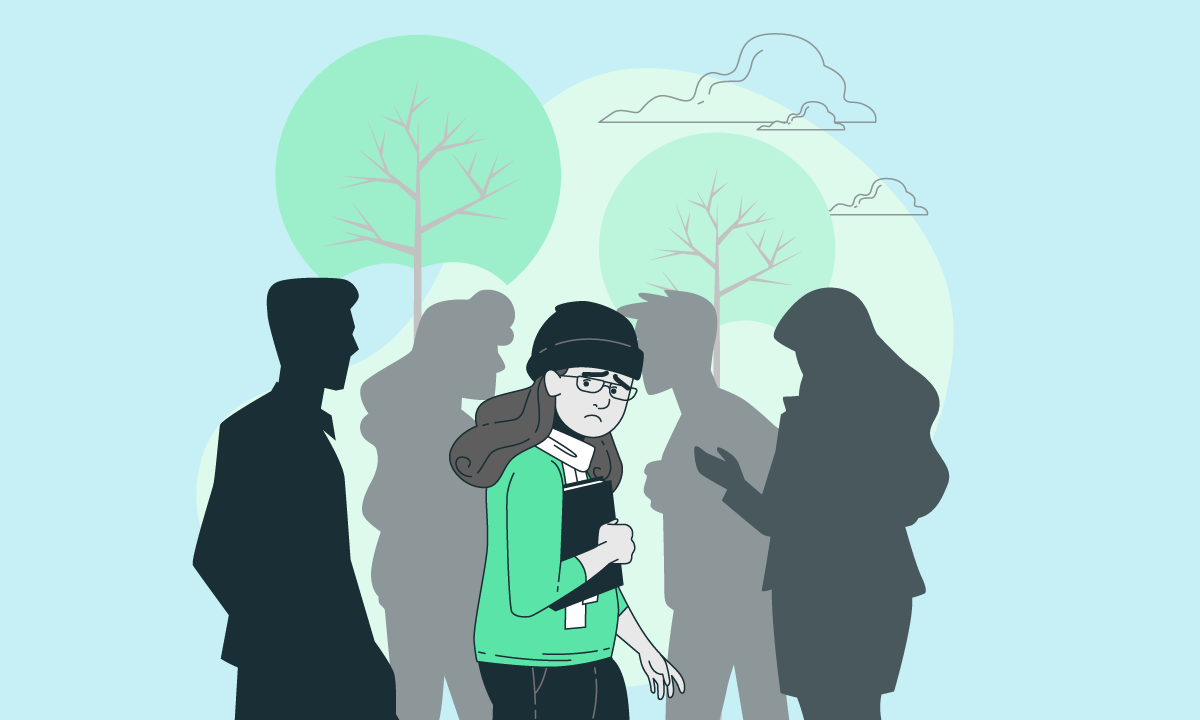
People who have low self-esteem, who are easily stressed, or who are gloomy in general are more likely to suffer from depression.
Environmental factors
Persons who are constantly exposed to violence, neglect, abuse, or poverty may be more sensitive to depression.



![Effective Benefits Of Besan[Gram] Powder For Skin: Natural Face Pack For All Skin Type](https://medicalfitbit.com/wp-content/uploads/2021/12/besannnn-120x86.jpg)
![Splenomegaly[Enlarged Spleen]: Do you Know About It !](https://medicalfitbit.com/wp-content/uploads/2021/10/Enlarged-Spleen.jpg)