
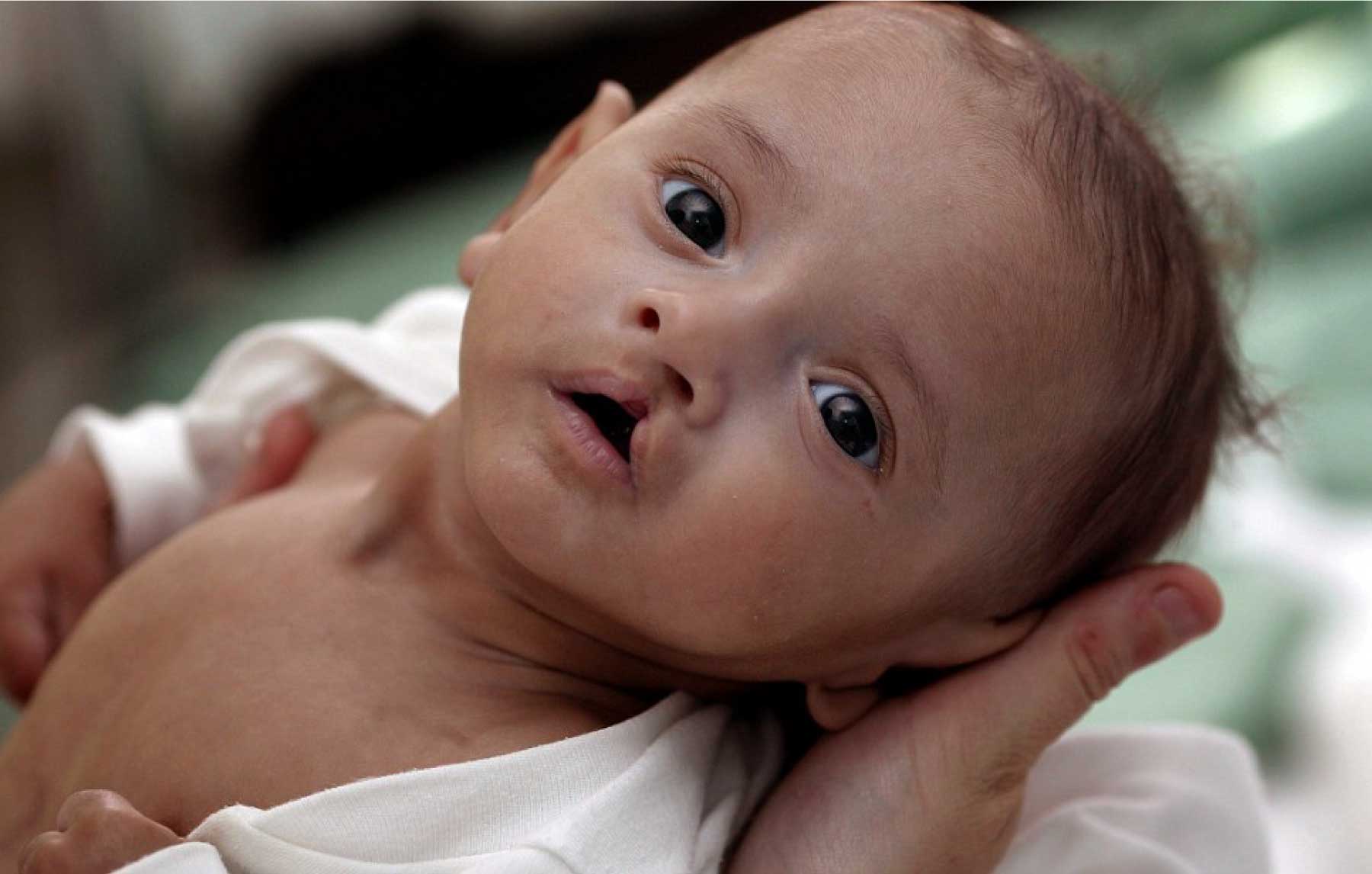
What is Cleft Lip?
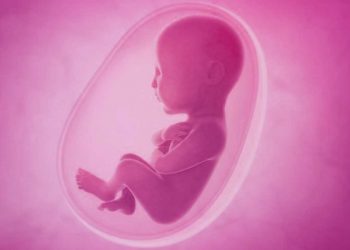
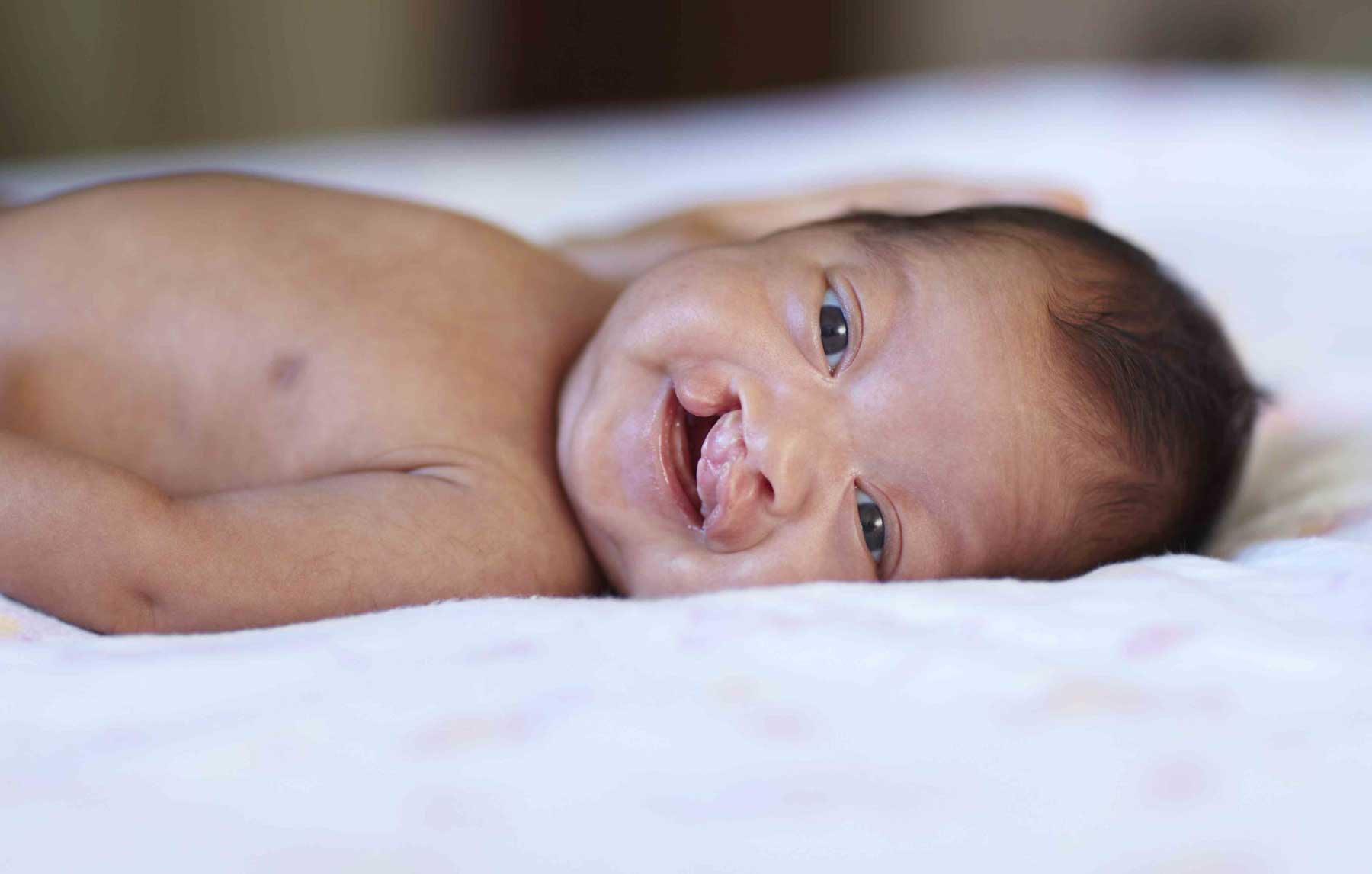
By the 4th and 7th weeks of pregnancy, the lip develops. Body tissue and specific cells from either side of the head grow toward the middle of the face during pregnancy and combine together to form the face. The tissue that makes up the lip does not unite completely before birth, resulting in a cleft lip. The upper lip opens as a result of this. The lip opening can be a little slit or a big aperture that extends through the lip and into the nose. Cleft lips can develop on one or both sides of the lip or in the center, which is extremely unusual. Cleft palates can occur in children who have a cleft lip.
Causes and risk factors
A cleft lip is thought to be caused by a combination of genes and environmental factors, such as what the mother comes into touch with within her environment, what she eats or drinks, and specific drugs she takes during pregnancy.
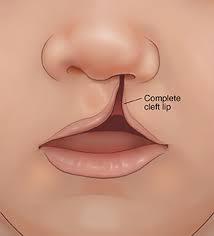
Types of cleft Lip
Cleft lip is classified into two:
1.Unilateral cleft lip
2.Bilateral cleft lip
The term “unilateral” refers to a cleft on one side of the lip. A bilateral cleft is one that has a cleft on both sides. The term “complete” refers to a cleft that runs from the mouth to the nose. The lip is involved in the incomplete, but the nose is not.
Diagnosis
A regular ultrasound can detect orofacial clefts during pregnancy, particularly cleft lip with or without cleft palate. Cleft palate, in particular, can be diagnosed after the infant is delivered. Certain kinds of cleft palate, such as the submucous cleft palate and bifid uvula, are frequently not identified until later in life.
Treatment
The cleft lip is normally fixed between the ages of 3 and 6 months. However, it can happen later. Cleft lip surgery corrects the cleft and typically leaves only minor scars. Almost every kid born with a cleft lip can have a healthy and happy life when the cleft is corrected.



Comments 1