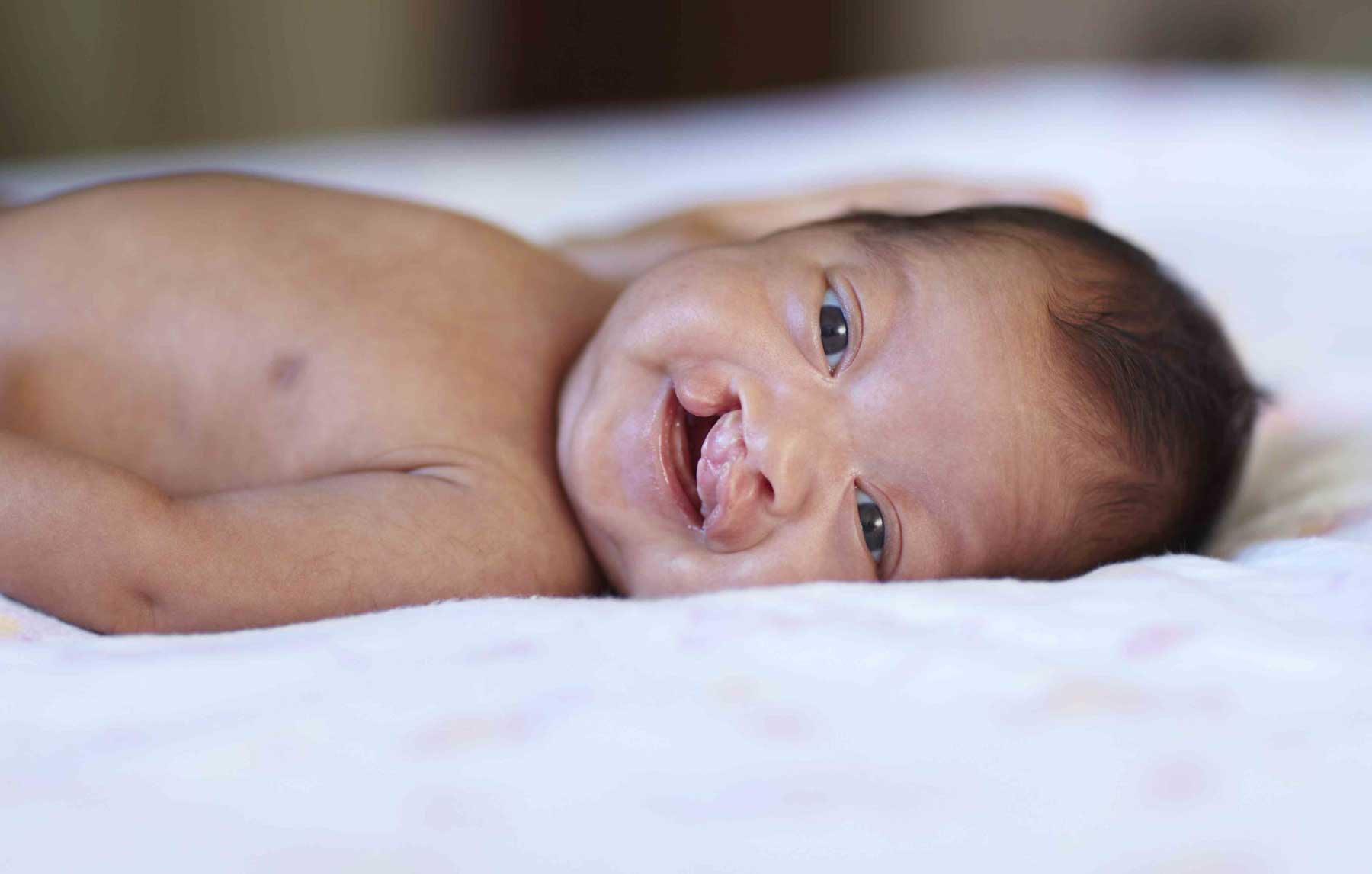
What is Cleft Palate?
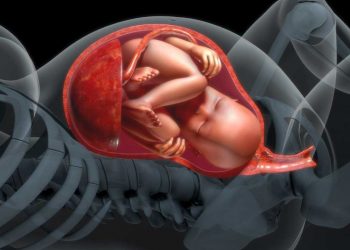
By the 6th and 9th weeks of pregnancy, the palate (the roof of the mouth) develops. When the tissue that occurs up the roof of the mouth does not come together entirely during pregnancy, a cleft palate develops. Both the front and rear sections of some babies’ palates are open. Only a portion of the palate is available in other newborns.
Causes and risk factors
Women who smoke during pregnancy are more likely than women who do not have a kid with an orofacial cleft. Women with diabetes diagnosed before pregnancy had a higher risk of having a child with cleft lip with or without cleft palate.

Complications
Feeding is difficult: Feeding is one of the most pressing problems after birth. While most babies with a cleft lip can breastfeed, sucking might be challenging for those with a cleft palate.
Infections in the ears and hearing loss: Cleft palate babies are at an increased risk of acquiring middle ear effusion and hearing loss.
Dental problems: Tooth development may be hampered if the cleft extends through the upper gum.
Speech difficulty: A cleft palate can impede the development of proper speech since the palate is utilized to generate sounds. It’s possible that your speech is too nasal.
Management
Cleft palate surgery is done within the first 18 months of life, or even earlier if possible. 8 As they get older, many children will require additional surgical treatments. Surgical correction can help a child’s face look and feel better, as well as enhance breathing, hearing, and speech and language development. Other treatments and services, such as particular dental or orthodontic care or speech therapy, may be required for children born with orofacial clefts.