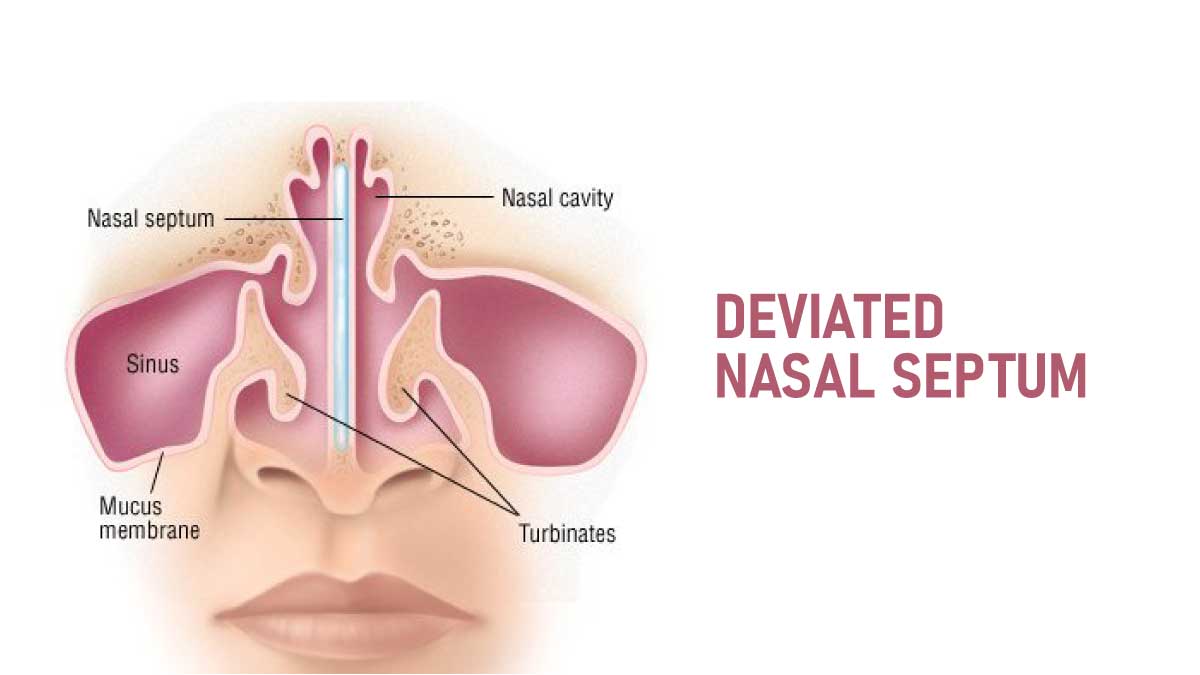
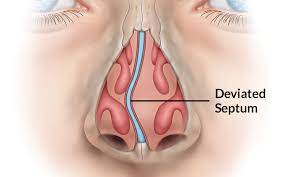
When the nasal septum between your nasal passages is moved to one side, you have a deviated septum. The nasal septum is off-center — or deviated — in many people, making one nasal tube smaller.
A significantly deviated septum can obstruct one side of the nose and decrease airflow, making breathing difficult. When a deviated septum is exposed to the drying impact of airflow through the nose, it can cause crusting or bleeding in certain persons.
A deviated nasal septum, enlargement of the tissues lining the nose, or both can cause a nasal blockage or congestion (obstruction).
Causes of Deviated Nasal Septum
Individual may born with deviated septum. An injury to the nose might also cause it. Contact sports, fighting, or car accidents are all common causes of these injuries. With time, a deviated septum might deteriorate.
Signs and symptoms of Deviated Nasal Septum
The most typical sign of a severely deviated or crooked septum is difficulty breathing through the nose, which usually affects one side more than the other. In some circumstances, a crooked septum can obstruct sinus drainage, resulting in recurrent sinus infections. One or more of the following symptoms may occur:
- Breathing problems in one or both nostrils
- Nosebleeds
- Infections of the sinuses
- Infants and young children have noisy breathing when sleeping.
- Adults who sleep with their mouths open
Complications of Deviated Nasal Septum
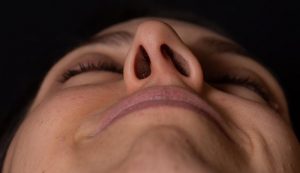
Nasal obstruction caused by a significantly deviated septum can result in:
- Chronic mouth breathing causes dry mouth.
- In your nasal passages, you may get a feeling of pressure or congestion.
- Sleep disturbances are caused by the discomfort of not being able to breathe easily via your nose at night.
Diagnosis of Deviated Septum
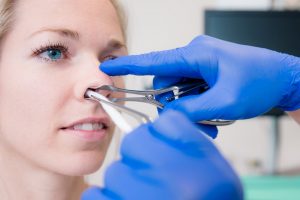
A nasal speculum is used to check your nostrils in order to determine a deviated septum. The doctor examines the position of the septum and how it affects the size of the nostrils. The doctor will also inquire about sleep, snoring, sinus issues, and breathing difficulties.
Treatment of Deviated Septum
Surgery
If your symptoms do not improve with medicine or other treatments, your doctor may recommend septoplasty, which is a type of reconstructive surgery.
Preparation: You should refrain from consuming aspirin or ibuprofen for two weeks before and after the procedure to prepare. These medications may give you more chance to get bleeding. You should also quit smoking, as it can slow down the healing process.
Procedure: Septoplasty is a 90-minute procedure that is performed under anesthetic. Depending on the surgeon and the circumstances, you may be given a local or general anesthetic. A surgeon slices the septum and removes any superfluous cartilage or bone during the operation. To stabilize the septum, silicone splints can be put in each nostril.
Complications: You’ll be monitored for complications right after surgery, and you’ll probably be allowed to go home the same day. Most patients who can go under anesthesia find septoplasty to be a safe operation. The following are the risks that remain:
- the morphing of the nose
- even after surgery, there is a recurrence of difficulties
- Bleeding
- reduced olfactory perception
- numbness in the upper gums and teeth for a short time
- Hematoma in the septum (mass of blood)