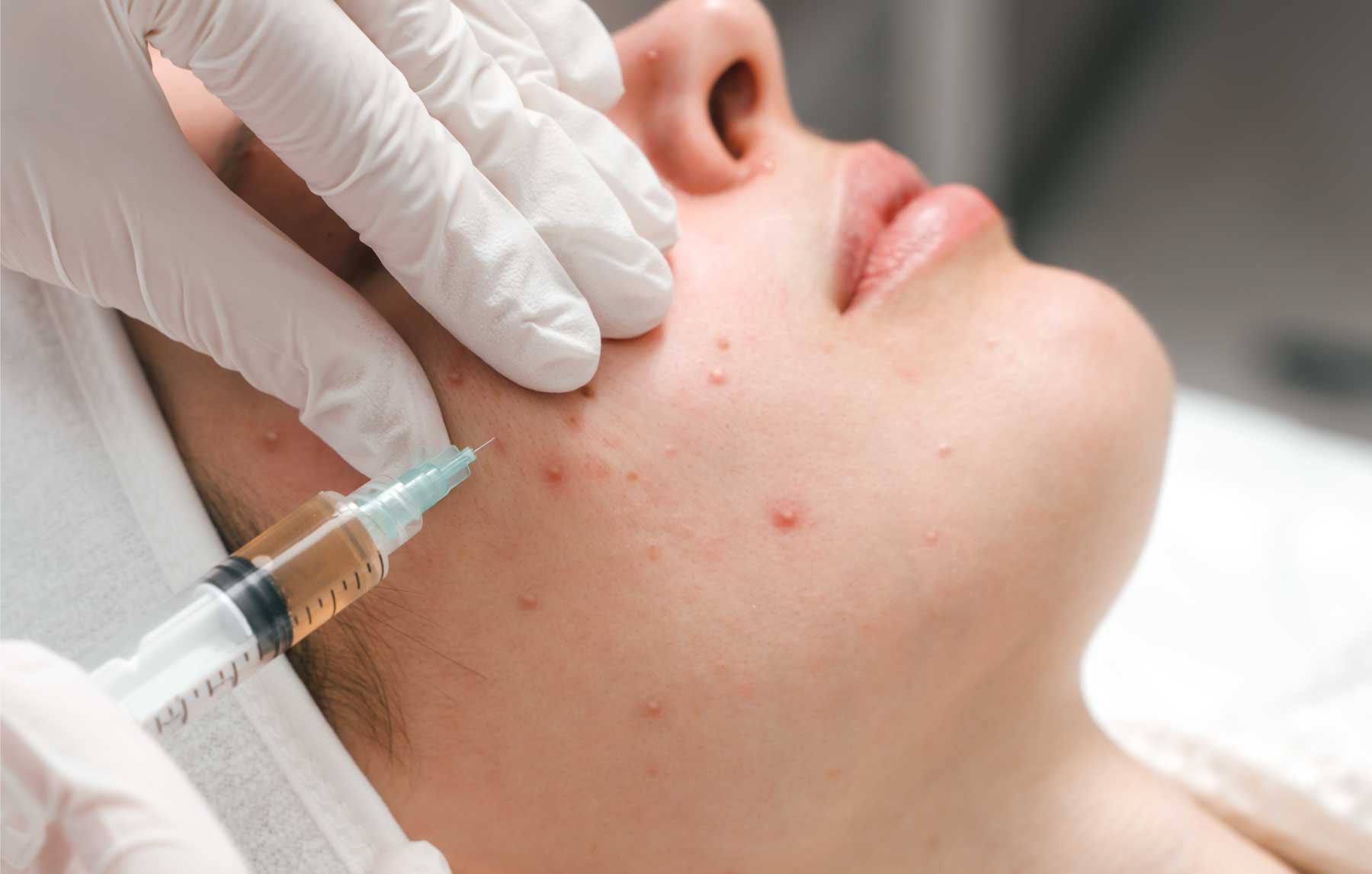
Dermabrasion
It is considered to be the most popular and effective treatment for facial scars. Kits were available in the drug store . They exfoliate the top layer of skin on your face with a wire brush or a wheel.
Some of the side effects are:
- infection
- skin discoloration
- edema and redness
- unbalanced skin tone
Over the counter Medications
Creams, ointments, and gels are available over-the-counter or by prescription. Scars caused by cuts, other injuries, or wounds can be treated with these products. If you’re under the care of a plastic surgeon for aesthetic or plastic surgery scarring, inquire if over-the-counter therapy is an option. If not, medication may be of assistance. For scars that itch and are extremely sensitive, therapies may include steroids or certain oral antihistamines. To assist cure scars or as preventive care, your doctor may recommend or employ pressure treatment or silicone gel sheeting.
Resurfacing with a laser
The purpose of laser resurfacing, like chemical peels and dermabrasion, is to remove the top layer of skin. Unlike acids and tools, laser resurfacing removes the skin with high-powered laser beams.
Erbium and carbon dioxide laser resurfacing are the two types. While erbium is the safest option for repairing scars on the face, carbon dioxide appears to be the most effective. You’ll need to keep the area bandaged until it heals completely after you leave the doctor’s office.
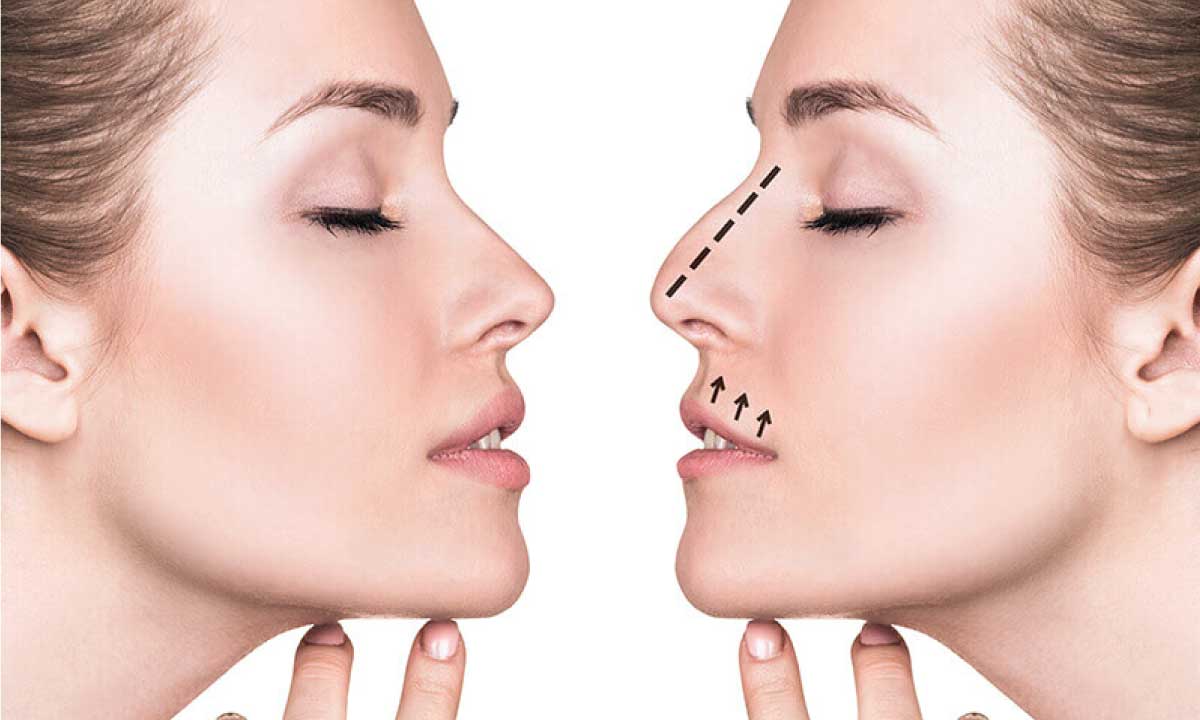
plastic surgery
Another therapeutic option is plastic surgery. Your doctor tries to remove the scar or the epidermis or even reposition the scar to lessen its appearance, depending on your goals and the severity of the scar. This operation, unlike the others, may need you to consult a plastic surgeon rather than a dermatologist. Always seek out a board-certified plastic surgeon with a track record of success in treating facial scars.
Remedy at home
Home treatments are said to be a less expensive and invasive technique to cure face scars. Many of these cures can be found in your kitchen or medical closet. Here are a few possibilities:
- Petroleum jelly’s moisturizing properties may help scars heal faster.
- Over-the-counter bleaching kits are available.
- Honey may aid in the reduction of redness and infections.
Scar reduction and prevention
Skin wounds can be treated to help decrease or even prevent scars from forming in the first place. If you have any type of wound or a cut on your face, make sure to clean it as soon as possible.
After scars have healed, wearing sunscreen might help to diminish their appearance. You may prevent a scar from developing brown or red from sun exposure by applying sunscreen to your face every day. Sunscreen can even help scars fade in some situations. Use sunscreen which suits your skin.
Chemical Peeling
These are made up of mild acids that are applied to the skin in a single layer. As a result, the epidermis (top layer of skin) exfoliates and peels away, revealing a new layer of skin.
Chemical peels are divided into three categories:
Superficial peel: This peel has a softer effect and may help with minimal scar discoloration.
Medium peel: While the glycolic acid in this peel can be used to cure discoloration, it is more commonly utilized for antiaging treatments.
Deep peels: are so harsh that they might take up to three weeks to heal.
Chemical peels are commonly available since they are a popular skin treatment. However, only a board-certified dermatologist should do a peel for scar therapy.