
What is Vitamin?
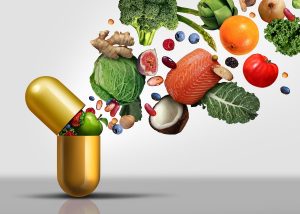
Vitamins are organic compounds found in small concentrations in natural diets. Having insufficient amounts of any vitamin can increase the chance of acquiring certain health problems.
Vitamins are organic compounds, meaning they contain carbon.
Type of Vitamins
1.Vitamin A
It’s a fat-soluble substance.
Its purpose is to keep your eyes healthy.
Deficiency can lead to night blindness and keratomalacia, a condition in which the clear front layer of the eye becomes dry and hazy.
Victamin a can be fount in Liver, carrots, broccoli, sweet potatoes, butter, kale, spinach, pumpkins, collard greens, eggs, apricots, cantaloupe melon, and milk are all good sources.
2.Thiamine[Vitamine B1]
It’s a water-soluble substance.
It is required for the production of several enzymes that aid in the breakdown of blood sugar.
Beriberi and Wernicke-Korsakoff syndrome can result from a deficiency in this vitamin.
Yeast, pork, cereal grains, sunflower seeds, brown rice, whole grain rye, asparagus, kale, cauliflower, potatoes, oranges, liver, and eggs are all excellent sources.
3.Riboflavin [Vitamin B2]
It’s a water-soluble substance.
It aids in the metabolization of food and is required for the growth and development of bodily cells.
Inflammation of the lips is a symptom of deficiency.
4. Vitamin B3
Niacin and niacinamide are the chemical names for these substances.
It’s a water-soluble substance.
Niacin is required for the body’s cells to grow and function properly.
Deficiency: Low levels cause pellagra, a health problem characterized by diarrhea, skin abnormalities, and digestive distress.
Chicken, beef, tuna, salmon, milk, eggs, tomatoes, green vegetables, broccoli, carrots, nuts & seeds, tofu, and lentils are all good sources.
5.Vitamin B5
Pantothenic acid is the chemical name for this substance.
It’s a water-soluble substance.
It is required for the production of energy and hormones.
Paresthesia, or “pins and needles,” is a symptom of deficiency.
Meats, whole grains, broccoli, avocados, and yogurt are all good sources.
6.Vitamin B6
Pyridoxine, pyridoxamine, and pyridoxal are chemical names for the same compound.
It’s a water-soluble substance.
It has an important role in the production of red blood cells.
Low levels might result in anemia and peripheral neuropathy.
Chickpeas, beef liver, bananas, squash, and almonds are all good sources.
7.Vitamin B7
Biotin is the chemical name for this substance.
It’s a water-soluble substance.
Its job is to help the body break down proteins, lipids, and carbs.
Deficiency: Low levels might induce dermatitis or intestinal inflammation.
Egg yolk, liver, broccoli, spinach, and cheese are all good sources.
8.Vitamin B9
The chemical names for folic acid and folinic acid are folic acid and folinic acid, respectively.
It’s a water-soluble substance.
It is required for the production of DNA and RNA.
Leafy vegetables, peas, legumes, liver are all good sources.
9.Vitamin B12 (cobalamin)
The chemical names for cyanocobalamin, hydroxocobalamin, and methylcobalamin are cyanocobalamin, hydroxocobalamin, and methylcobalamin, respectively.
It’s a water-soluble substance.
Fish, shellfish, pork, chicken, eggs, milk and other dairy products, fortified cereals, fortified soy products, and fortified nutritional yeast are all excellent sources.
Vegans may need to take B12 supplements, according to their doctors.
10.vitamin C
It’s a water-soluble substance.
Scurvy can develop from a deficiency, which causes bleeding gums, tooth loss, and poor tissue growth and wound healing.
Fruit and vegetables are good sources, but heating degrades vitamin C.
11.Vitamin D
Ergocalciferol and cholecalciferol are two chemical names for the same compound.
It’s a fat-soluble substance.
It is required for the mineralization of bone healthily.
Deficiency: This can result in rickets and osteomalacia or bone softening.
Sources to consider: The body produces vitamin D when exposed to UVB rays from the sun or other sources.
12.Vitamin E
Tocopherol and tocotrienol are the chemical names for tocopherol and tocotrienol, respectively.
It’s a fat-soluble substance.
Its antioxidant activity aids in the prevention of oxidative stress, which increases the risk of extensive inflammation and a variety of disorders.
Deficiency: Although uncommon, this condition can cause hemolytic anemia in infants. This illness causes the death of blood cells.
Wheat germ, kiwis, almonds, eggs, nuts, leafy greens, and vegetable oils are good sources.
13.Vitamin K
Phylloquinone and menaquinone are chemical names for the same compound.
It’s a fat-soluble substance.
Its function is to aid in the coagulation of blood.
Deficiency: Low levels might lead to an increased risk of bleeding, often known as bleeding diathesis.
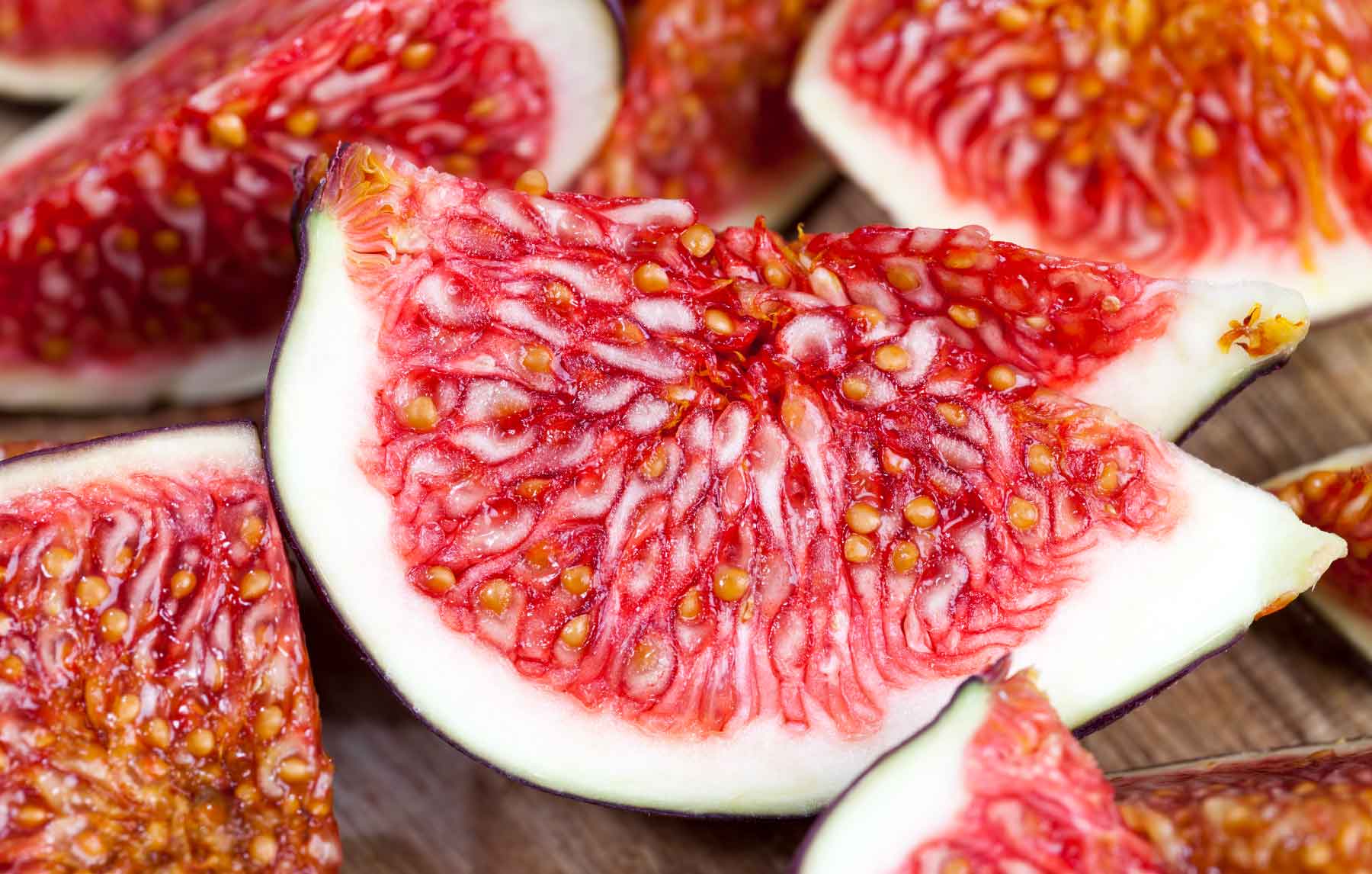
Sources to consider: Natto, leafy greens, pumpkins, figs, and parsley are among them.



Hi, this is a comment.
To get started with moderating, editing, and deleting comments, please visit the Comments screen in the dashboard.
Commenter avatars come from Gravatar.