Mouth Cancer can be occur in any part of the mouth, including the insides of the cheeks and gums. It’s a form of cancer of the head and neck.
It is frequently classified as oral and oropharyngeal cancer. The back of the mouth and the lining of the throat are affected by oropharyngeal cancer.
Causes of Mouth Cancer
Mouth cancers originate when the DNA of cells on the lips or in the mouth undergoes mutations. The DNA of a cell may include the instructions that tell it what to do. When healthy cells would perish, the mutations tell the cells to keep growing and dividing. A tumor can occur when abnormal mouth cancer cells accumulate. They may spread from inside the mouth to other sections of the head and neck, other parts of the body, over time.
The flat, thin cells (squamous cells) that line your lips and the inside of your mouth are where most mouth cancers start. Squamous cell carcinomas are concerned for the majority of mouth malignancies.
It’s unclear what causes squamous cell mutations that lead to mouth cancer. However, doctors have found some factors that may raise the risk of oral cancer.
Symptoms of Mouth cancer
The following are some of the signs and symptoms of oral cancer:
- Persistent pain on the lip or in the mouth
- On the inside of your mouth, a white or reddish area
- Loose Teeth
- A bump or growth inside your mouth
- Mouth ache
- Earache
- Swallowing is difficult or uncomfortable
Management
Radiation therapy
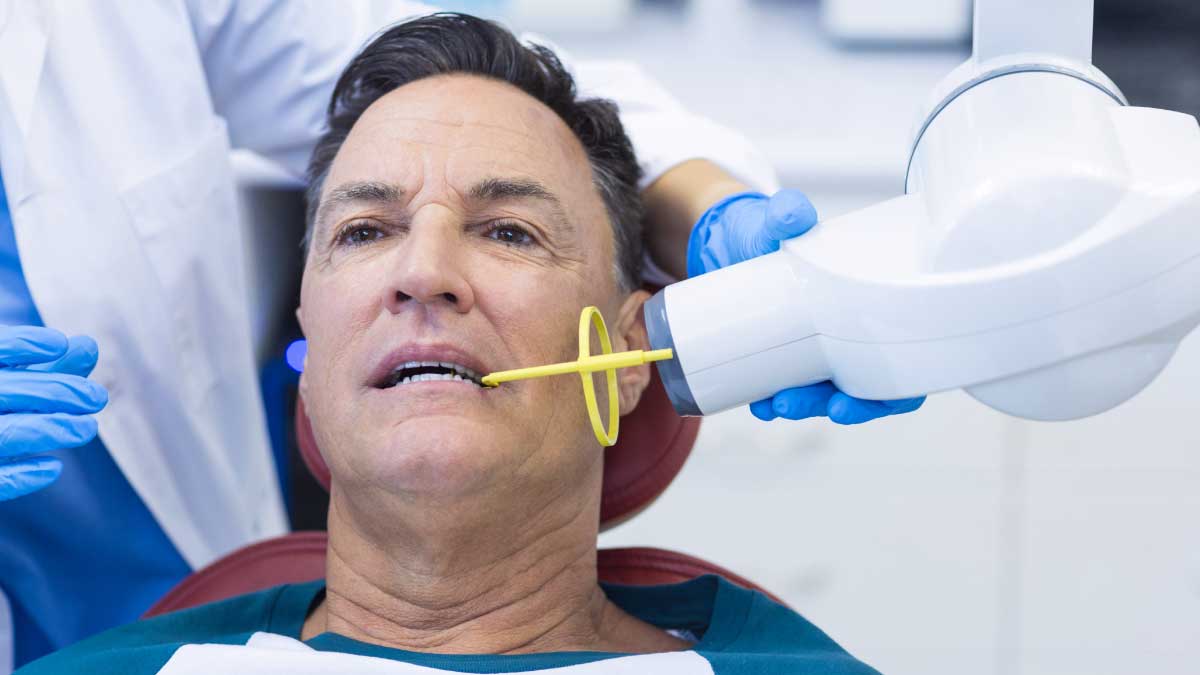
Radiation therapy works well for oral malignancies. This treatment damages the DNA inside tumor cells, preventing them from reproducing using high-energy X-rays or radiation particles.
Radiation beams from an external source are directed at the affected area by a machine.
The surgeon will use radioactive needles to give radiation to the tumor within the body during brachytherapy. People with early-stage tongue cancer may be advised to do so by a doctor.
The following are possible side effects of oral radiation therapy:
- decayed tooth
- a painful throat
- Gums bleed
- clenched jaw
- fatigue
- burns and other skin responses
Although a person with early-stage mouth cancer may just require radiation therapy, a doctor may prescribe combining it with additional therapies to lower the chance of cancer advancing or reoccurring.
Chemotherapy
A doctor may suggest combining chemotherapy and radiation therapy if cancer has spread far.
It is a treatment that involves the use of potent drugs that cause cancer cells’ DNA to be damaged. The medications stop the cells from multiplying and spreading.
Chemotherapy drugs kill cancer cells, but they can also harm healthy tissue in the process. This could have serious consequences.
Among the possible outcomes are:
- fatigue
- Vomiting and nausea
- Loss of hair
- a compromised immune system that puts you at higher risk of illness
- After a person completes their therapy, these side effects normally fade away.
Risk Factors of Mouth cancer
Mouth cancer can be caused by a number of factors, including:
- Tobacco use in any form, such as cigarettes, cigars, pipes, chewing tobacco, and snuff, is prohibited.
- consuming a lot of alcohol
- Lips that have been exposed to too much sunlight
- Human papillomavirus is a sexually transmitted virus (HPV)
- Immune system dysfunction
prevention of Mouth Cancer
There is no other way to avoid mouth cancer that has been demonstrated. You can, however, lower your chance of mouth cancer if you:
Stop using tobacco, or don’t start using it at all. Stop using cigarettes if you do. Don’t start using tobacco if you don’t already. Tobacco use, whether smoked or chewed, exposes your mouth’s cells to harmful cancer-causing substances.
If you drink alcohol at all, do it in moderation. Excessive alcohol use might irritate your mouth’s cells, putting them vulnerable to mouth cancer. Consume alcohol in a limited time if you wish to do so. For healthy individuals should not drink more than 1 drink per day for women and men over 65, and no more than 2 drinks per day for males 65 and younger.
Excessive sun exposure to your lips should be avoided. Stay in a shade as much as possible to protect the skin on your lips from the sun. Wear a cap with a wide brim that shades your entire face, including your mouth. As part of your regular sun protection practice, use a sunscreen lip product.
See your dentist on a regular basis. Request that your dentist examine your entire mouth as part of a standard dental exam for atypical spots that could suggest oral cancer or precancerous alterations.