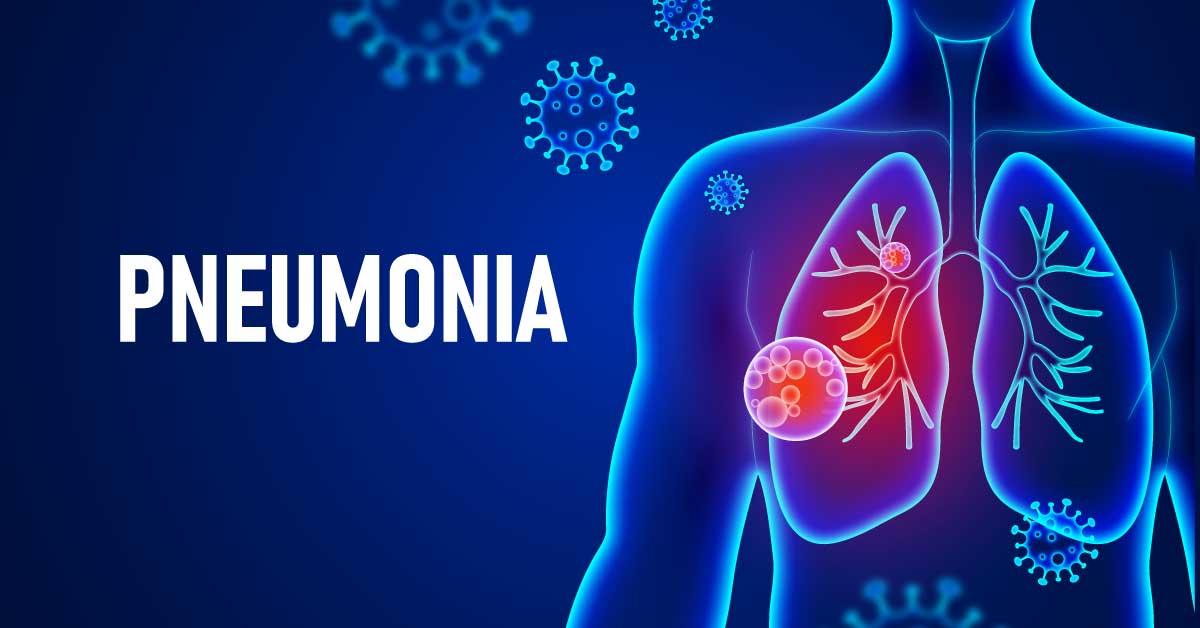
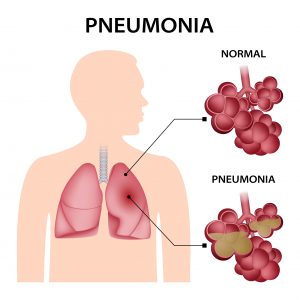
Pneumonia is said to be a lung infection that causes the air sacs in one or both lungs to become inflamed. Cough with pus, fever, chills, and trouble breathing can occur when the air sacs fill with fluid or pus (purulent material). It can be occurred by a variety of species, including bacteria, viruses, and fungus.
The severity of this disease can range from minor level to life-threatening. Infants and young children, persons over the age of 65, and people with health problems or compromised immune systems are the most vulnerable.
Causes
It can be caused by several factors.
It is mainly caused by bacteria, viruses, or fungi
Among the most common causes are:
- Viruses that cause influenza
- Viral infections that cause colds
- RSV (Respiratory Syncytial Virus (the top cause of pneumonia in babies age 1 or younger)
- Streptococcus pneumoniae and Mycoplasma pneumonia are bacteria that cause pneumonia.
- Some hospital patients develop “ventilator-associated pneumonia” after contracting the illness while on a ventilator, a machine that helps you breathe.
- “Hospital-acquired” pneumonia occurs when you get pneumonia while in the hospital but aren’t on a ventilator. However, the majority of patients contract “community-acquired pneumonia,” which means they contracted it outside of a hospital.
Symptoms
Symptoms of pneumonia range from minor level to life-threatening. They may include the following:
- Cough
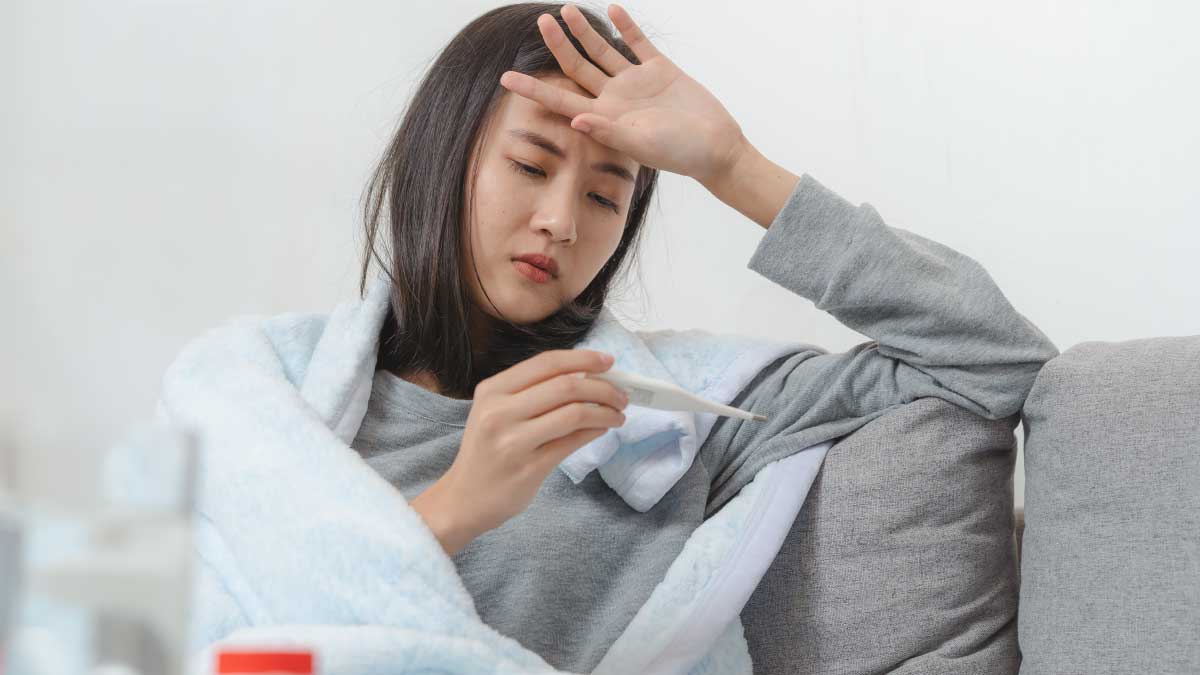
- Fever
- Chills or sweating
- Shortness of breath that occurs while performing routine tasks or even when resting
- Chest pain that gets worsens when you cough or breathe.
- Fatigue
- Loss of appetite
- Vomiting or nausea
- Headaches
Types of Pneumonia
Hospital-acquired pneumonia (HAP):This kind of bacterial pneumonia is contracted while in the hospital. Because the bacteria implicated may be more resistant to drugs than other varieties, it can be more dangerous.
Community-acquired pneumonia(CAP): Pneumonia obtained outside of a medical or institutional setting is referred to as this.
Ventilator-Associated Pneumonia (VAP):VAP is a type of pneumonia that affects patients who use a ventilator.
Aspiration Pneumonia: Aspiration pneumonia is caused by inhaling microorganisms from food, drink, or saliva into your lungs. If you have swallowing difficulty or are excessively sedated from the use of medications, alcohol, or other drugs, it’s more likely to happen.
Diagnosis of Pneumonia
Your doctor initially will ask you about symptoms and medical histories, such as if you smoke and if you’ve been around sick individuals at home, school, or work. They’ll then pay attention to your lungs. When you breathe in, they may hear cracking, bubbling, or rumbling sounds if you have pneumonia.
If your physician suspects you have pneumonia, he or she will likely order a series of tests, including:
- Tests to look for symptoms of a bacterial infection in the blood
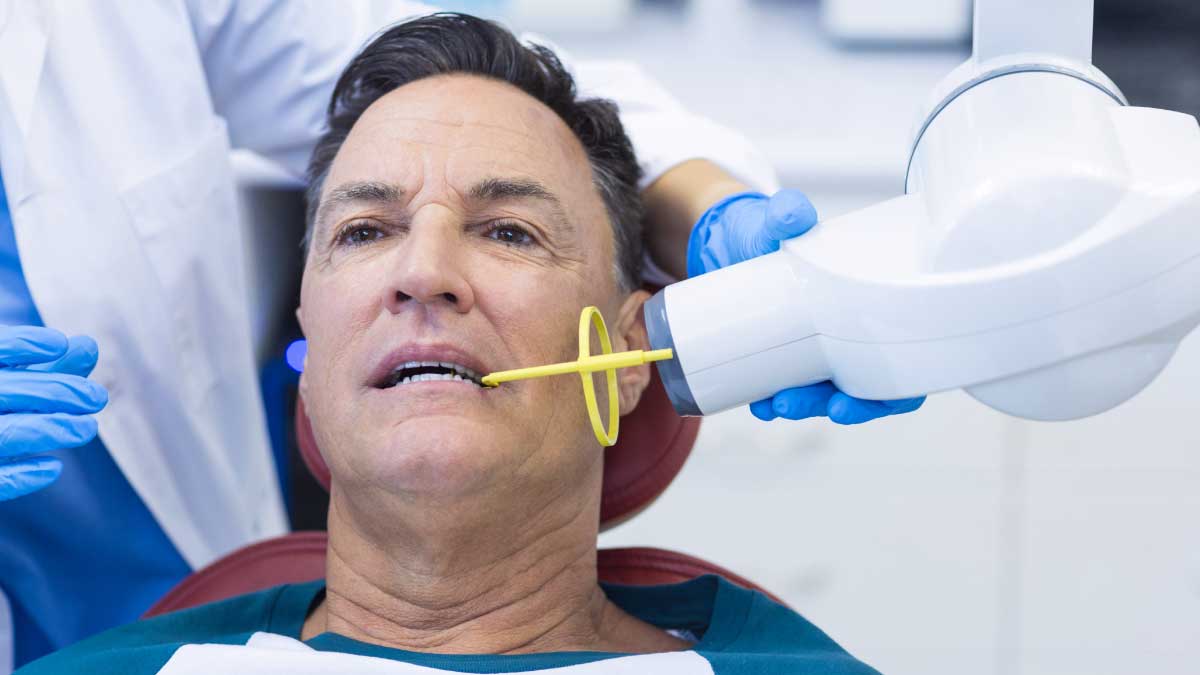
- An X-ray of your chest to determine the extent of the infection in your lungs.
- Pulse oximetry is a technique for determining the amount of oxygen in your blood.
- A sputum test is used to examine the fluid in your lungs for signs of infection.
If your symptoms began while you were in the hospital or if you have other health issues, your doctor may order additional testing, such as:
- Arterial blood gas test to determine the amount of oxygen in the blood.
- Bronchoscopy is a procedure that examines your airways for blockages or other issues.
- A CT scan of your lungs to provide a more detailed view
Treatment
Medications on prescription
To help treat your pneumonia, your doctor may prescribe a prescription. The treatment you receive will be determined by the cause of your pneumonia.
Bacterial pneumonia is treated with oral antibiotics. Even if you feel better, always finish your antibiotic treatment. Failure to do so may prevent the illness from resolving, making treatment more difficult in the future.
Antibiotics are ineffective against viruses. Your doctor may prescribe an antiviral in some instances. Many cases of viral pneumonia, on the other hand, clear up on their own with at-home treatment.
Fungal pneumonia is treated with antifungal medicines. To clear the infection, you may need to take this medication for several weeks.
OTC (over-the-counter) drugs
As needed, your doctor may also prescribe over-the-counter (OTC) drugs to alleviate your pain and fever. These may include the following:
- aspirin
- ibuprofen (Advil, Motrin)
- acetaminophen
Your doctor may also prescribe cough medicine to help you rest by calming your cough. You don’t want to completely stop coughing because it helps drain fluid from your lungs.
Remedy at home
Although there are no home cures that will cure pneumonia, there are certain things you can do to alleviate the symptoms.
One of the most prevalent signs of pneumonia is coughing. Gargling saltwater or drinking peppermint tea are two natural ways to ease a cough.
Fever can be relieved with cool compresses. Chills can be relieved by drinking warm water or eating a warm bowl of soup. Here are some additional home remedies to consider.
Get lots of rest and drink enough water to aid your recovery and prevent a recurrence.
Although home remedies might help alleviate symptoms, it’s critical to follow your treatment plan.
Hospitalization
If your symptoms are severe or you have other medical issues, you may need to be admitted to the hospital. Doctors can monitor your heart rate, temperature, and respiration in the hospital. The following are examples of hospital treatments:
- Injection of antibiotics into a vein
- Respiratory treatment either administering drugs directly into the lungs or instructing you on how to practice breathing exercises to improve your oxygenation.
- Maintaining oxygen levels in your bloodstream using oxygen treatment (received through a nasal tube, face mask, or ventilator, depending on severity)