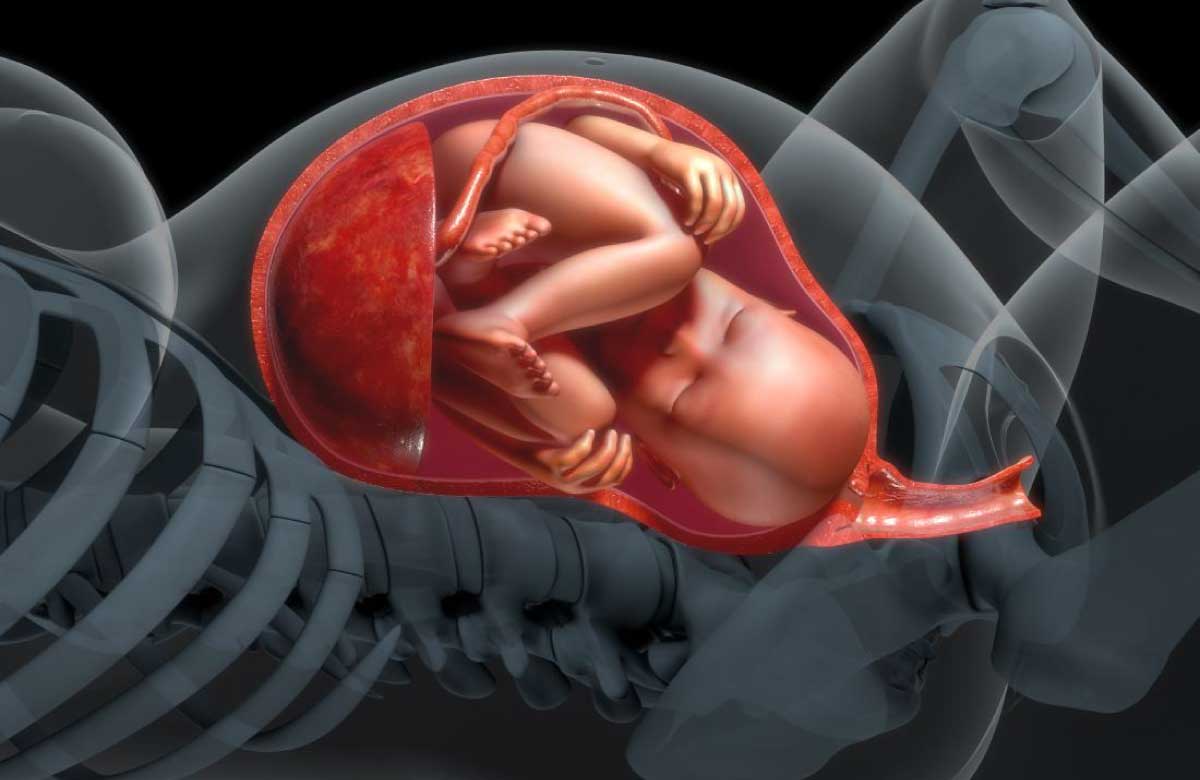
Polyhydramnios is a disorder that affects a pregnant woman’s uterus. In this disease, the uterus fills with too much amniotic fluid (the liquid that surrounds the baby in the womb). When this happens, the uterus expands beyond its typical size.
Causes
Polyhydramnios can be induced by a variety of factors, ranging from mild to severe:
- A birth abnormality that impairs the capacity of the newborn to swallow
- Blood glucose levels that are too high (mother has diabetes either before or after becoming pregnant)
- Identical twins with transfusion syndrome in the womb (TTTS)
- Various blood types (mother has Rh-negative, a baby has Rh-positive)
- The baby’s stomach has a problem.
- Obstacles to the placenta
- In the baby, there is too much fluid.
- Complications with the baby’s heart rate
- The infection affects the baby.
Symptoms
The symptoms of polyhydramnios are caused by pressure within the uterus and on adjacent organs.
Mild polyhydramnios may present with few if any, signs or symptoms. Severe polyhydramnios can lead to the following complications:
- Inability to breathe or shortness of breath
- Swelling of the lower extremities and the abdomen
- Contractions or uterine pain
- Breech presentation, for example, is a fetal malposition.
Diagnosis of polyhydramnios
Your uterus will be measured by a doctor to see if it is too large. That usually signifies you’re measuring two weeks or more ahead of your due date.
-An ultrasound will be used to determine the amount of amniotic fluid in the womb.
Treatment
If the case of polyhydramnios is minor, it is usually not addressed. Your doctor may make further appointments to monitor the size of your uterus as it grows. The kid should be healthy and free of difficulties when he or she is born.
Your doctor can devise a treatment plan if the size of your uterus becomes a concern and the condition becomes more serious. The focus of this strategy will most likely be on the cause of the polyhydramnios. Medication can be used to control the baby’s urine production while in the pregnancy. Other options for treatment include:
- Rest in bed
- Using a big needle to drain amniotic fluid
- Early labor induction
Complications
Polyhydramnios has been linked to:
- Birth before the due date
- Membrane rupture that occurs too soon — when your water breaks too soon.
- Before delivery, the placenta pulls away from the inner wall of the uterus, causing placental abruption.
- The birth of a baby via c-section
- Stillbirth
- After delivery, heavy bleeding occurs owing to a lack of uterine muscular tone.