
![Splenomegaly[Enlarged Spleen]: Do you Know About It !](https://medicalfitbit.com/wp-content/uploads/2021/10/Enlarged-Spleen.jpg)
Things you looking about Splenomegaly
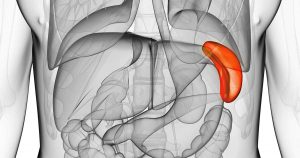
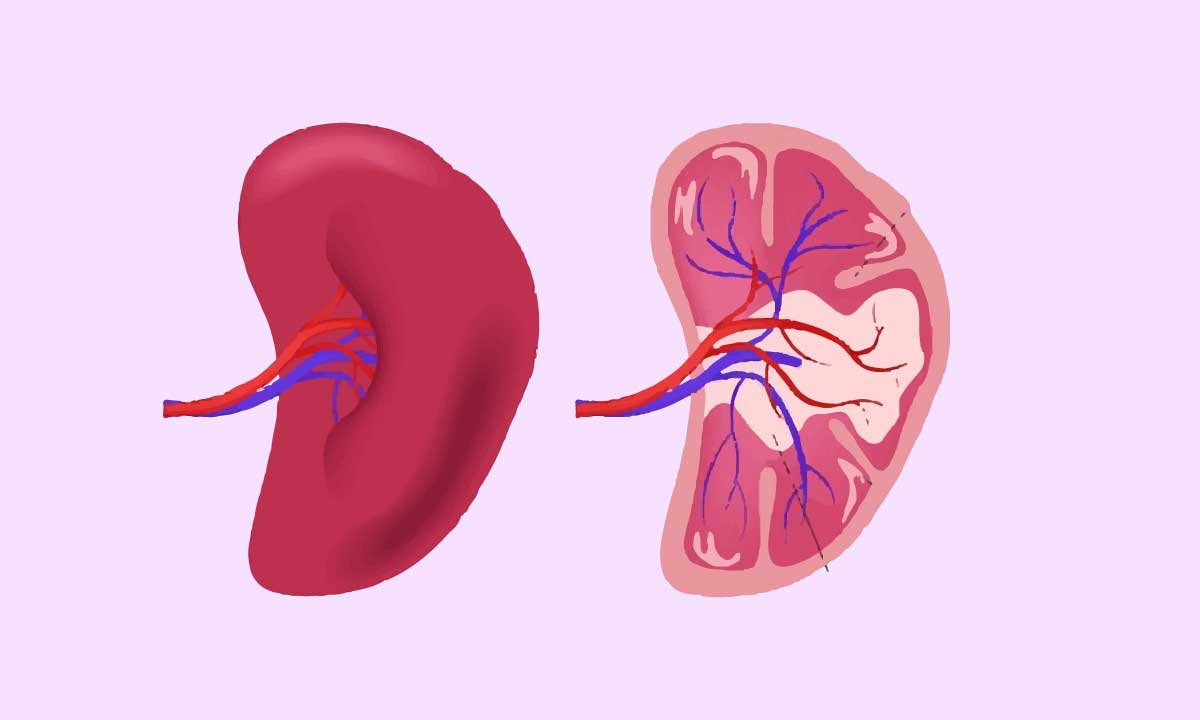
Splenomegaly is a condition in which your spleen grows in extra size.
Causes of Splenomegaly
- Mononucleosis
- Some infections caused by bacteria, such as syphilis or an infection of the inner lining of your heart (endocarditis)
- Cirrhosis and other liver illnesses are among the most common
- Malaria, leukemia, and Hodgkin’s disease
- failure of the heart
- cancers in the spleen or tumors that have migrated to the spleen from other organs
- Infections caused by viruses, bacteria, or parasites
- Inflammatory diseases such as lupus and rheumatoid arthritis are examples of inflammatory disorders
- sickle cell anemia
- Infections caused by bacteria, such as syphilis or an infection of the inner lining of your heart (endocarditis)
- Malaria and other parasitic illnesses
- Leukemia and myeloproliferative neoplasms, as well as lymphomas like Hodgkin’s disease, are blood malignancies
- Gaucher disease and Niemann-Pick disease are metabolic diseases
- A blood clot in the spleen or liver veins or pressure on these veins
- Lupus and sarcoidosis are examples of autoimmune diseases
Symptoms of Splenomegaly
- Left upper belly pain or fullness that might migrate to the left shoulder
- Because the spleen is pulling on your stomach, you may feel full without eating or after eating a small quantity
- Red blood cell count is low (anemia)
- Infections that occur frequently
- Easily bleeds
Diagnosis of Splenomegaly
A physical exam is frequently used to detect an enlarged spleen. By carefully probing your left upper tummy, your doctor can often detect it. A healthy, normal-sized spleen can sometimes be felt during an exam in some persons, especially those who are skinny. Diagnostic tests are:
- Complete blood count to determine the number of red blood cells, white blood cells, and platelets in your system, as well as liver function tests
- To establish the size of your spleen and whether it’s encroaching on other organs, you’ll need an ultrasound or a CT scan.
- MRI scan
Is splenomegaly curable?
Surgery to remove your spleen (splenectomy) may be an option if an enlarged spleen creates substantial consequences and the cause cannot be discovered or managed. Surgery may be the best hope for recovery in chronic or serious conditions. Elective splenectomy necessitates considerable consideration.
How You Relieve Splenomegaly?
Your doctor will need to address the underlying reason of your enlarged spleen. If an infection is the reason of your enlarged spleen, your doctor may or may not prescribe medications to you, depending on the organism that caused the illness.
-Administration of antibiotics . Antibiotics would be useless incase of mononucleosis.
-In severe circumstances, your doctor may recommend that you have your spleen removed, a procedure known as a splenectomy.
Reducing the risk of infection following surgery
Following spleen removal, you should take the following precautions to limit your risk of infection:
- Pneumococcal (Pneumovax 23), meningococcal, and Haemophilus influenzae type b (Hib) vaccines protect against pneumonia, meningitis, and infections of the blood, bones, and joints, respectively. After surgery, you’ll need the pneumococcal vaccine every five years.
- After your surgery, and if you or your doctor detects an infection, you should take penicillin or other antibiotics.
- At the first indication of a fever, which could suggest an infection, call your doctor.
Complication of Splenomegaly
Infection: The quantity of healthy red blood cells, platelets, and white cells in your bloodstream can be reduced by an enlarged spleen, leading to more infections. Anemia and excessive bleeding are possible side effects.
Spleen rupture: Spleens, even in good condition, are fragile and readily damaged, especially in car accidents. When your spleen is big, the risk of rupture is substantially higher. A burst spleen can result in a life-threatening abdominal hemorrhage.




Comments 1