![Varicose[Spyder]Veins: Things You Need To Know!](https://medicalfitbit.com/wp-content/uploads/2021/10/VaricoseSpyderVeins.jpg)
Varicose veins are that are twisted and swollen. Varicose veins can affect any superficial vein, but those in your legs are the most usually afflicted. This is due to the fact that standing and walking upright puts more strain on your lower body’s veins.
Causes of Varicose Vein
- They are caused by the weakening of vein valves
- Family members with varicose veins have a hereditary background
- The expanding uterus puts increased strain on a person’s veins during pregnancy.
- the condition of being overweight
- sitting for long periods of time
Symptoms of Varicose Vein
Major Symptoms are:
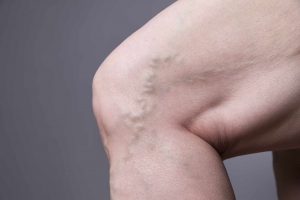
- The veins appear to be twisted, bloated, and bumpy (bulging)
- The veins are either blue or dark purple in color.
Some patients may also have :
- In the affected leg, there is telangiectasia (spider veins)
- A shiny skin discoloration, generally brownish or blue in hue, may appear surrounding the varicose veins.
- Venous eczema (stasis dermatitis) – the skin is red, dry, and irritating in the affected area.
- Leg cramps occur in some people when they rapidly get up.
- Restless legs syndrome affects a large number of patients with varicose veins.
- Atrophies Blanche – at the ankles, uneven whitish patches that resemble scars emerge
- Leg pain
- Legs feel heavy, particularly after a workout or at night.
- A little injury to the affected area may cause the bleeding to last longer than usual.
- Lipodermatosclerosis is a condition in which fat beneath the skin right above the ankle hardens, causing the skin to shrink.
- ankles swollen
Risk factors of Varicose Vein
- Age: Varicose veins become more common as people get older—the valves in your veins that assist control blood flow wear off as you get older. As a result of this wear, the valves eventually allow some blood to flow back into your veins, where it gathers, rather than up to your heart.
- Sex.: Women are more prone than men to develop the disease. Female hormones relax vein walls. Therefore fluctuations in hormones before your period, during pregnancy, or throughout menopause could be an influence. Hormone therapy, for example, birth control pills, may raise your chances of developing varicose veins.
- Pregnancy: The volume of blood in the body grows throughout pregnancy. This shift benefits the developing fetus, but it also has the unintended consequence of causing larger veins in your legs.
- History of the family: If other family members have varicose veins, you’re more likely to have them as well.
- Obesity: Obesity puts additional strain on your veins.
Long periods of standing or sitting are not recommended. When you’re in the same position for a long time, your blood doesn’t circulate as well.
Treatment and prevention of Varicose Vein
When it comes to treating varicose veins, doctors are often conservative. Instead of trying more aggressive therapies, you’ll generally be recommended to adopt lifestyle adjustments.
Steps to to get rid of varicose veins
- Standing for long periods of time should be avoided.
- Maintain a healthy weight or lose weight.
- Improve your circulation by exercising.
- Compression socks or stockings can help.
- Exercising
- Maintaining a healthy weight
- Eating a low-salt, high-fiber diet
- Avoid High heels and tight hosiery
- Raising your legs
- Changing your sitting or standing position on a regular basis is a good idea.
If you already have varicose veins problems, you should take these precautions to avoid developing new ones. When you’re relaxing or sleeping, you should also raise your legs.
Compression
Wearing special compression socks or stockings may be recommended by your doctor. These apply sufficient pressure to your legs to allow blood to flow more freely to your heart. They also aid in the reduction of edema.
Surgery
If lifestyle modifications don’t work, or if your varicose veins are giving you pain or compromising your general health, your doctor may recommend an intrusive operation.
Anesthesia is required for vein ligation and stripping, which is a surgical procedure. The surgeon will make incisions in your skin, cut the varicose vein, and remove it through the incisions. Although revised vein-stripping operations have been developed, they are less routinely performed due to the availability of newer, less invasive alternatives.
Other alternatives for treatment
Varicose veins can also be treated with a wide range of minimally invasive procedures. These are some of them:
Sclerotherapy, it is a procedure that involves injecting a liquid or foam chemical into a bigger vein to seal it off.
Microsclerotherapy is a procedure that involves injecting a liquid chemical into smaller veins to seal them off.
Laser surgery involves the use of light energy to seal off a vein.
Endovenous ablation therapy is a procedure that involves the use of heat and radiofrequency waves to seal off a vein.
Endoscopic vein surgery involves blocking a vein with a small illuminated scope inserted through a small incision.
Complications of Varicose vein
Ulcers: Near varicose veins, especially near the ankles, painful ulcers can develop on the skin. Before an ulcer occurs, a darkened patch on the skin appears. If you believe you’ve developed an ulcer, see your doctor right away.
Blood clots: are a type of blood clot that occurs when the blood Deep veins in the legs might occasionally expand. The affected leg may enlarge and become painful in certain situations.
Bleeding: Veins near the surface of the skin can burst on occasion. Only minimal bleeding is frequently the result. Any bleeding, however, should be treated by a physician.