Do You Know About Knock Knees?
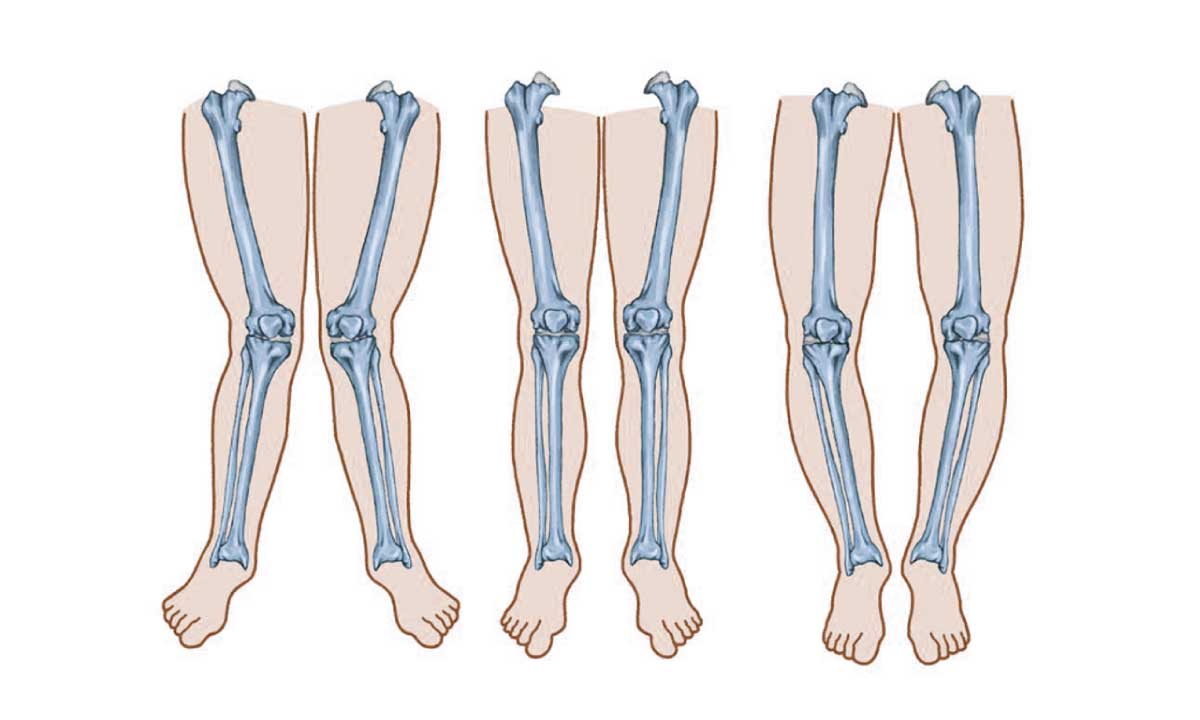
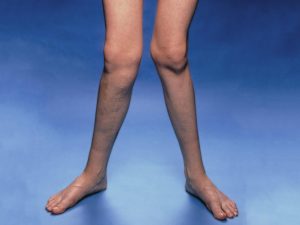
It is a condition in which a person’s knees bend inward and “knock” against one another, even when their ankles are separated. Excessive force is applied to the outer side of the knee, which can result in pain and damage over time.
Knock knee is usually bilateral, affecting both legs, but it can also affect only one knee in some circumstance.
Causes
Knock knee might result from an infection or a traumatic knee injury, or it can be caused by an underlying congenital or developmental condition. The causes might are:
- Disorder of the metabolism
- Renal failure
- A bodily injury (injury)
- Arthritic pain, especially in the knees
- Inflammation of the bones (osteomyelitis)
- Rickets
- Conditions that are congenital (inborn)
- Damage to the growth plate
- Bone tumors that are benign
- Fractures with a deformity that mend
- Being overweight or obese
Symptoms
Some of the symptoms of Knock knees are:
- an ache in the knees or hips
- Standing with knees together and feet not touching is a sign of foot or ankle pain.
- joints that are stiff or painful
- walking with a limp
- Hips have a limited range of motion.
- Having trouble walking or running
- Unstable knees
- Adults with advanced knee arthritis
- Patients or parents may be dissatisfied with the appearance.
Diagnosis
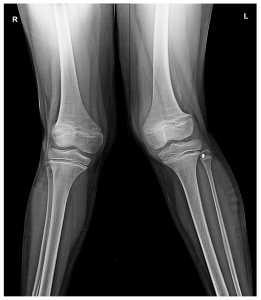
A physical assessment of the legs and gait will be performed. The diagnosis can be confirmed with a standing-alignment X-ray or EOS pictures. These are radiographic images of the leg from the hip to the ankle that assist the clinician in determining the exact position and mechanical axis of the deformity. A doctor diagnoses the cause of genu valgum in older children and adults.
A doctor needs to look at a person’s medical history to formally diagnose genu valgum. Information regarding family history and any other known pre-existing conditions that could cause knock-knees will be asked.
If pain is present, a doctor will ask a person to identify where it is located, check the severity, and when it occurs.
In addition, the doctor will consider:
- Standing with your knees aligned.
- the manner in which someone walks
- if the legs aren’t the same length
- Yoga
A doctor may also examine the soles of the person’s shoes for uneven wear patterns. A doctor may order an MRI or X-ray to assess the bone structure in specific circumstances.
Treatment of Knock Knees
- Supplements and medications
- Exercise on a regular basis. A doctor can suggest some easy stretches and exercises or refer a patient to a physical therapist.
- Weight Loss
- Orthotics
- Surgery